The explosion of content creation, vlogging, and urban exploration has transformed how consumers view photographic gear. As creators invest in high-value gear, the global demand for the modern camera bag continues to surge. For luggage brands, distributors, and e-commerce retailers, this trend presents a massive commercial opportunity. In 2026, offering specialized, stylish protective carrying solutions is no longer just a niche, but it is a profitable strategy for brand growth.
Why Do People Need a Camera Bag?
A camera is a valuable investment, but the camera body is only part of the equipment users need to carry. Lenses, batteries, memory cards, chargers, tripods, and other accessories all require safe and organized storage.
This makes the camera bag more than a simple carrying case. It has become an important accessory for protecting equipment and improving the overall user experience.
1. Essential Protection for Valuable Equipment
Cameras and lenses contain delicate components that can be damaged by impacts, moisture, dust, or poor storage. A standard backpack may provide basic carrying space, but it often lacks the protective structure needed for photography equipment.
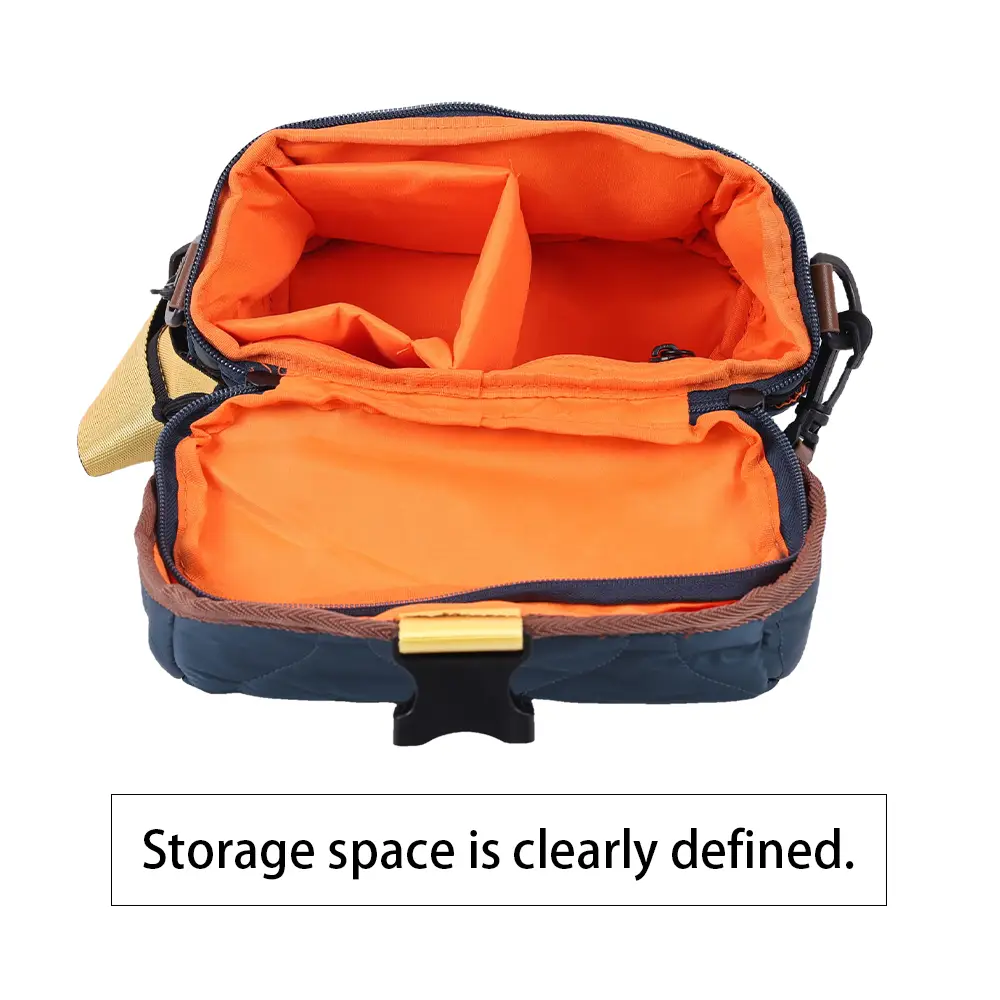
A purpose-built camera bag can include features such as:
- Padded compartments for cameras and lenses
- Adjustable dividers for different equipment
- Reinforced materials and construction
- Dedicated accessory pockets
- Water-resistant or waterproof protection
- Secure closures and quick-access openings
2. Designed for Multiple Scenarios
Modern camera users do not always spend their day inside a studio. They may photograph a street event in the morning, work from a café in the afternoon, and travel to another location in the evening.
This has increased demand for bags that can move easily between different environments.
A versatile camera bag can serve several purposes, including:
- Professional photography
- Vlogging and content creation
- Weekend travel
- Outdoor activities
- Urban exploration
- Daily commuting
For retailers and distributors, products with multiple use cases can appeal to a wider customer base. Instead of serving only professional photographers, brands can position camera bags as practical lifestyle products.
Why Call It a Camera Bag?
The meaning of a camera bag has evolved significantly. Historically, these products were mainly designed around function. Today, design, lifestyle, and versatility are equally important.
1. From Utility Product to Fashion Accessory
Traditional camera bags often focused heavily on protection and storage. While these functions remain essential, today’s consumers also care about appearance.
Minimalist silhouettes, neutral colors, compact profiles, and premium materials can make a camera bag suitable for both photography and everyday use.
This shift creates an opportunity for brands to develop products that sit between technical equipment and lifestyle accessories.
This also means there is more room for product differentiation. Instead of competing only on storage capacity, brands can compete through:
- Exterior design
- Materials
- Hardware
- Carrying systems
- Interior organization
- Brand customization
- Lifestyle positioning
2. Expanded Appeal Beyond Professional Photographers
The growth of social media and short-form video has changed who carries cameras.
Many users now create travel videos, product photography, social content, and personal projects. They may not identify themselves as professional photographers, but they still need a reliable way to transport their equipment.
Modular designs can make camera bags easier to use for these customers. Adjustable compartments allow users to configure the interior according to their equipment, while removable inserts can make the bag more flexible for everyday items.
This broader customer base creates an attractive opportunity for brands looking to expand their product portfolios.
3. A Multifunctional Product for a Wider Market
A modern camera bag can combine photography storage with everyday carrying functions.
For example, a bag may include space for a camera and lenses while also providing compartments for a laptop, tablet, wallet, water bottle, or personal belongings.
This multifunctional approach helps brands address more than one customer need with a single product. It also makes the product easier to market across different categories, from photography accessories to travel and lifestyle bags.
Are Camera Bags Still in Style in 2026?
The camera bag remains relevant in 2026, but the definition of a desirable product is changing.
The market is moving toward products that offer technical protection without looking overly technical. For brands, this creates an opportunity to combine performance with modern design.
1. Sustained Demand from Mirrorless Cameras and Creators
Mirrorless cameras have become an important part of the modern photography market. Their compact form factor makes them attractive to photographers and creators who want high-quality images without carrying a large professional setup.
At the same time, the creator economy continues to generate demand for portable photography equipment.
Creators need to move between locations frequently. They may shoot videos outdoors, attend events, travel for content, or work from different locations.
This supports ongoing demand for compact and convenient camera-carrying solutions.
2. Lightweight, Stylish, and Easy-Access Designs
Consumers increasingly expect their bags to be comfortable and practical.
A bulky bag can become inconvenient during long photography sessions or daily commuting. As a result, lightweight construction, ergonomic carrying systems, and efficient internal organization are becoming important product considerations.
Quick access is another major selling point.
Photographers often need to take out a camera within seconds. Designs that provide direct access to the main camera compartment can improve usability and create a stronger product proposition.
Popular formats can include a crossbody camera bag for lightweight daily use and a camera backpack for users who need to carry more equipment.
For outdoor users, a waterproof camera bag can provide another layer of protection against rain and changing weather conditions.
3. Stable, Year-Round Sales Potential
Unlike products that depend heavily on a single season, camera bags can serve users throughout the year.
Photography, travel, content creation, and commuting happen across different seasons. This can make camera bags an interesting category for retailers and distributors seeking products with relatively broad usage periods.
For brands, the opportunity is even broader when the product is designed as a lifestyle accessory rather than a specialist photography case.
How Does ChangRong Help Your Brands Create Differentiated Hit Products?
For brands, finding a product with market potential is only the first step. The next challenge is turning that opportunity into a product that stands out.
ChangRong provides OEM/ODM bag manufacturing support for brands looking to develop differentiated products. With experience in bag R&D and manufacturing, Changrong can help businesses translate product concepts into practical designs. This is especially valuable for buyers who want to develop a custom camera bag around their target market and brand positioning.
1. Develop Features Around Real User Needs
Our camera bag designs can incorporate functional elements such as:
- Fidlock Magnetic Quick-Release Buckle: A magnetic quick-release buckle can provide a convenient way to open and secure the bag. This type of hardware is particularly useful when users need quick access while moving.
- Side Quick-Access Camera Compartment: A side-access compartment allows users to reach their camera without fully opening the bag. This can be useful during travel, outdoor photography, and fast-paced shooting situations.
- 180° Full Back-Opening Design: A full back-opening structure can make it easier for users to organize and access equipment while keeping the main storage area protected when the bag is being carried.
- All-Weather Waterproof Protection: Weather can change quickly during outdoor activities. Waterproof protection helps safeguard cameras and accessories from rain and moisture, making the product more suitable for outdoor use.
These features can also provide clear selling points for brands when developing product pages, packaging, and retail campaigns.
2. Support Different Brand Positioning
Not every brands is targeting the same consumer. One brand may focus on professional photographers. Another may target travel creators. A third may want a minimalist everyday bag for urban users.
OEM/ODM development allows brands to adjust elements such as:
- Bag size and capacity
- Materials and finishes
- Interior organization
- Hardware
- Colors
- Branding
- Packaging
- Functional features
This flexibility makes it easier to create a product that matches a specific customer segment instead of offering another generic camera bag.
3. Build Products for More Usage Scenarios
A differentiated camera bag should work beyond the photography environment.
Changrong’s designs can be positioned for scenarios such as:
- Outdoor Photography: Protective construction and weather-resistant features help users carry equipment in changing outdoor conditions.
- Urban Travel: Compact organization and quick access make the bag practical for city exploration, sightseeing, and content creation.
- Daily Commuting: A clean appearance and multifunctional storage can help the product transition from photography gear to an everyday carry solution.
For brands, this versatility can create more opportunities for product placement and marketing.
Conclusion
The camera bag category is evolving alongside photography, travel, and the creator economy. In 2026, customers increasingly want products that protect valuable equipment while remaining lightweight, stylish, accessible, and suitable for everyday use.
For brands, distributors, and retailers, this creates an opportunity to move beyond traditional photography cases and develop multifunctional products for a broader market. A well-designed camera bag can combine protection, lifestyle appeal, and practical functionality while supporting stronger product differentiation.
The right manufacturing partner can make that opportunity easier to turn into a market-ready product.
Create Smarter. Carry Further. Build your next camera bag with Changrong.