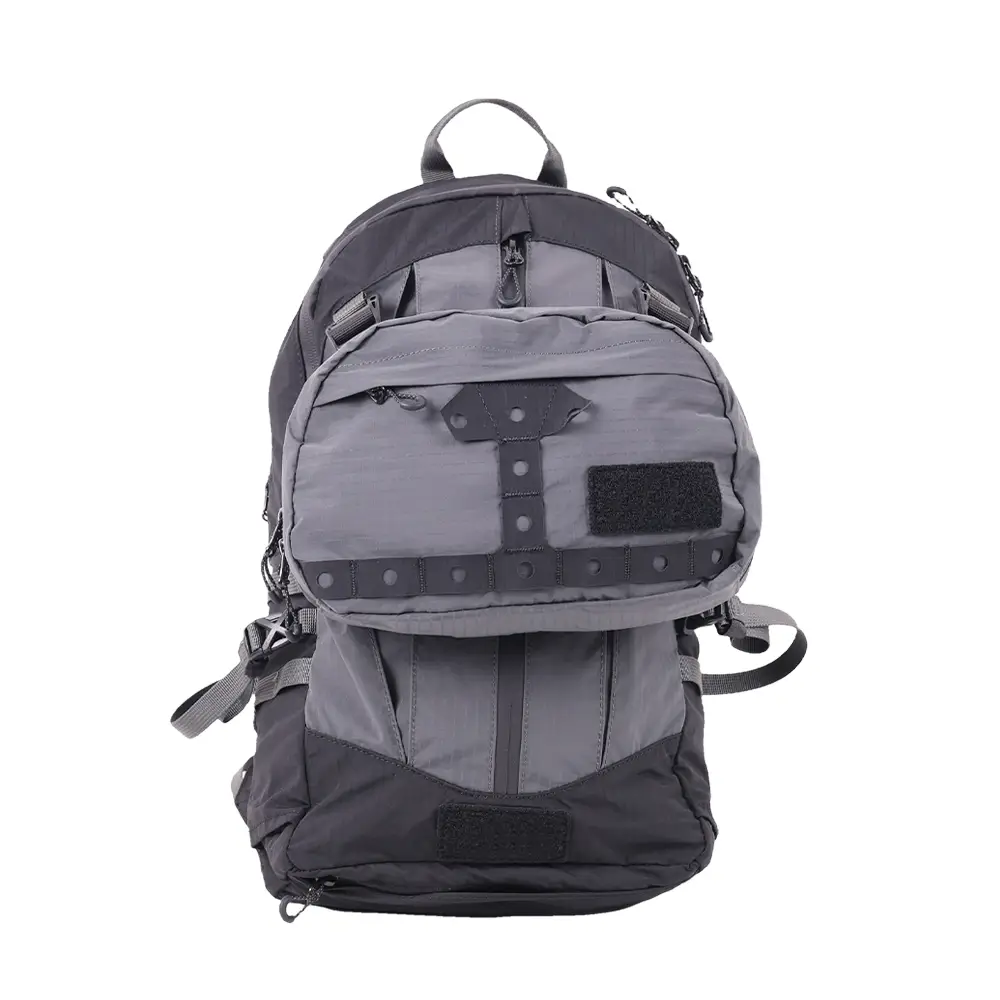
Factory photographs, a production description and an inspection report can answer different audit questions. A review of a bag factory in China needs to establish how those pieces of evidence relate to the same production arrangement. A dated history entry can clarify identity; an operation requires corresponding manufacturing evidence, and an inspection finding requires a recorded response. Our review follows those distinctions when requesting further material.
Which Dates and Facilities Are Being Described?
Trading history and factory history need their own dates. ChangRong began foreign trading in 2010 and established our factory in 2013. The distinction gives an auditor two different starting points to examine. A description of manufacturing history can retain the factory date, while the earlier trading date remains part of the business history instead of being used as additional factory operating time.
Historical entries also need to retain their years. The 2013 entry records 300 square metres and 25 workers; 2015 records 800 square metres and 50 workers; 2018 records 1,700 square metres and 80 workers. Those figures describe the recorded stages. A current-site question still requires current evidence, rather than substituting one historical entry for today’s factory area or workforce.
Our manufacturing facilities are in Guangzhou and Qingyuan, with seven sewing lines and a 150-person production team in the production service. An audit of China bag manufacturing companies can ask which location and operations the proposed order concerns. The answer can connect the current manufacturing arrangement to the project without assigning every resource separately to each site.
What Happens Between Pattern and Finished Bag?
Following the work makes equipment descriptions easier to examine. The workflow includes design and development, material selection, pattern making, cutting, sewing and accessory assembly, followed by inspection, packaging and logistics coordination. An auditor can ask how the proposed bag moves between these activities and what construction is being made, keeping the inquiry attached to an identifiable product.
For a bag factory in China, a machine name becomes more informative when connected to its operation. Our equipment includes a flatbed inkjet cutting machine, automatic nesting cutting bed, automatic spreading machine and computerized sewing equipment.
Questions can relate those resources to fabric preparation, cutting and sewing, and then trace the pieces into the relevant accessory assembly, rather than stop at the equipment list.
Where Do Inspection Findings Go?
The inspection sequence provides several points for cross-checking. Incoming materials are checked before production, sewing and assembly receive sampling checks, and finished bags are inspected before packaging.
Sample confirmation and preproduction sample verification connect to production sampling and final inspection. The audit question concerns whether the available materials identify those stages for the construction under review.
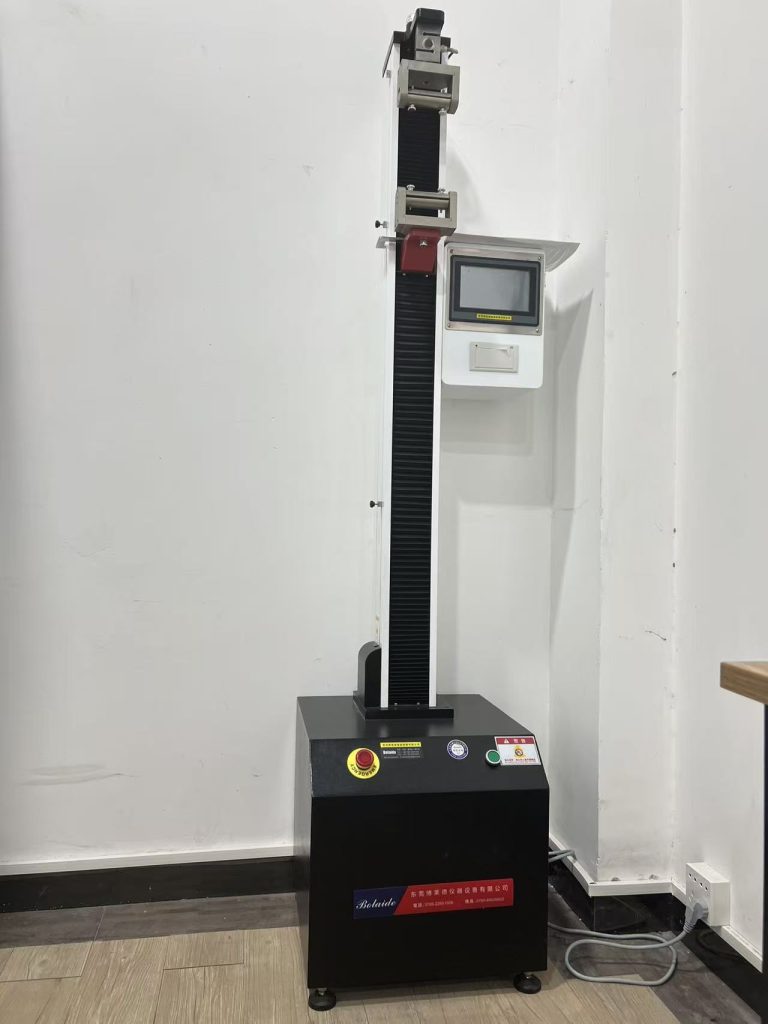
ChangRong specifies eight full-time QA/QC inspectors and six sets of professional testing equipment for our quality-control service. Named inspection resources include oscillation, color, colorfastness, fabric, salt-spray, tensile, water-resistance and webbing equipment.
Resource categories and the specified set count answer different questions. Listing the equipment types does not create a different total number of equipment sets or establish an outcome for a particular order.
An inspection discussion with China bag manufacturing companies can then examine the findings being addressed. Stress-point sewing can use double stitching, with checks on stitch security and attachment strength. Finished-item checks include broken threads, skipped stitches and fabric defects. Products that fail final inspection are reworked or removed, making the response to a finding part of the audit inquiry.
The report supplied before shipment gives another item to examine alongside sample and production inspection materials. An auditor can ask which product and inspection stage the available information concerns.
A general description of checking remains different from the evidence available for review. The question is what can be verified about the proposed work and its recorded inspection, without inventing an unperformed test or result.
What Can Be Checked Through a Visit?
Photographs and inspection materials can be requested, and visits for on-site inspection can be arranged in advance. A visit to a bag factory in China can focus on questions left open by the documents. Equipment, work in progress and the relationship between operations provide possible observation subjects, with the actual visit arranged around what can be made available for inspection.
Site access and information access also have boundaries. A nondisclosure agreement can cover drawings, logos, custom requirements, unauthorized production or resale, and the handling of related documents and samples.
In reviewing China bag manufacturing companies, an auditor can identify which requested material falls within that agreement, keeping evidence requests consistent with the agreed handling of project information.
Our manufacturing support includes material selection, logo application, custom packaging and compliance-documentation consulting. These services describe subjects that may enter the project discussion.
The audit can identify which ones are relevant to the proposed order and which require further supporting material. A service’s availability supplies a question to examine, rather than an automatic conclusion about execution.
The useful audit outcome separates corroborated points from questions still open. At ChangRong, requested materials and an advance-arranged visit can support that further review without replacing the auditor’s judgment.
A request for further evidence can name the operation, product or inspection stage concerned, so the next exchange addresses a specific gap in the review already made. Each remaining question needs an obtainable document, inspection material or observation that can address it.