A spring launch target leaves the development team without a starting instruction until the proposed backpack is described. Dimensions, construction and branding still need to reach the people who will develop and manufacture it. An OEM backpack customization timeline therefore follows the movement of defined information into drawings, samples and production work. We read that timeline through the deliverable each stage needs from the preceding one.
Prepare the Technical Package for Development
Drawings, a dimension table, fabric requirements, an accessory list, packaging specifications and logo artwork form the technical package. OEM production follows the buyer’s design and technical requirements.
An ODM project can instead begin with an existing structure and adapt its size, fabric, functions and branding. Distinguishing those inputs establishes whether development starts with supplied specifications or a structure still being adapted.
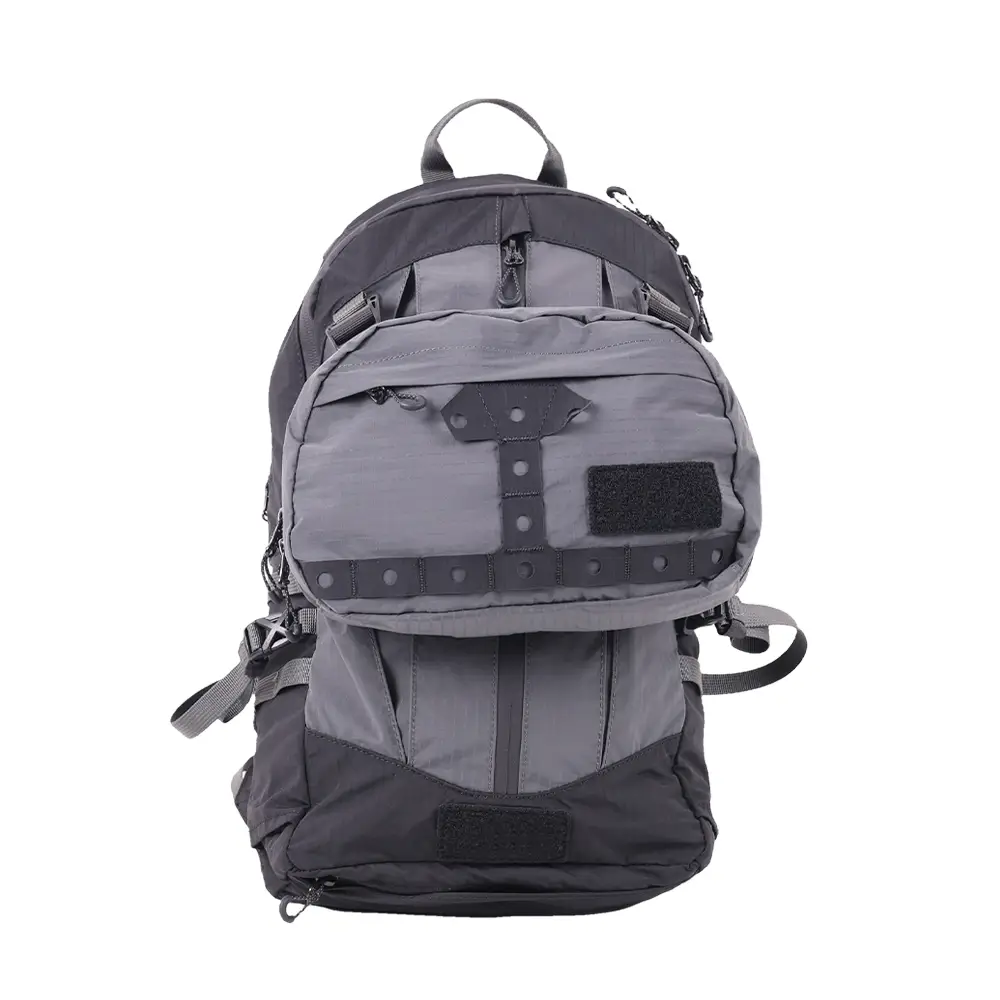
With those requirements available, our ChangRong team can work on structural development and initial sample confirmation. The OEM backpack manufacturer receives more than a drawing of the exterior: the intended market, use and brand requirements give the proposed compartments and carrying arrangement their purpose. A dimension without its corresponding storage requirement can leave the structure open to different interpretations.
Move Structural Questions into the Initial Samples
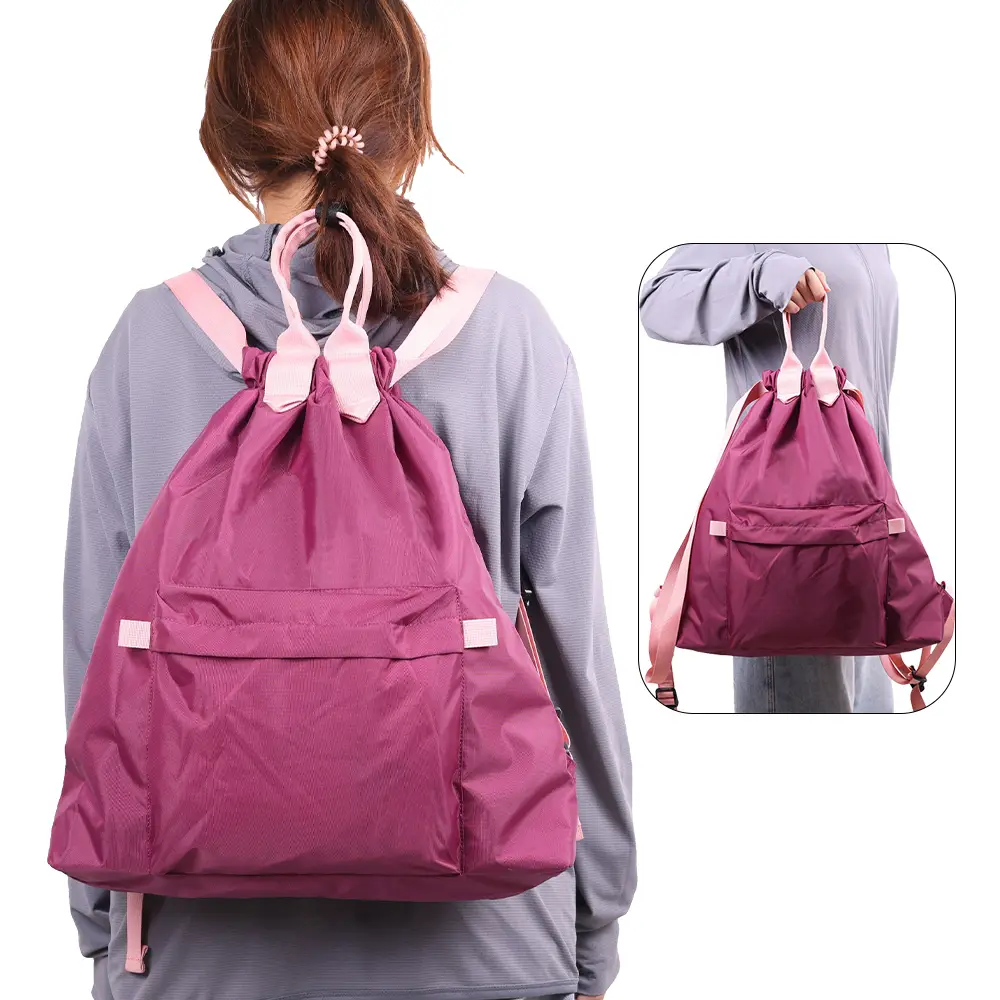
Three-dimensional renderings and prototype drawings expose relationships that the technical package may describe separately. Capacity, compartment placement, shoulder straps and functional modules come together in the developing structure.
Our structural adjustments address those relationships before the proposal is represented in initial samples. Changes remain connected to the intended use, rather than becoming additional features without a role in the launch product.
One or two initial samples can be produced for confirmation and revision. That quantity describes sample pieces; it does not set the number of revision rounds. During OEM backpack customization, an unresolved compartment position remains a design question even if its fabric has already been selected. The next development discussion can identify the required revision rather than treating the existence of a sample as completed approval.
A revised drawing and its sample can be read against the same dimension table, keeping the change identifiable. If the shoulder-strap arrangement changes, the related structural details need to be considered with it.
Our development work uses those drawings and structural adjustments to address the bag as a connected design. The handover then concerns the revised proposal rather than an isolated comment about appearance.
Connect Material Selection to Production Readiness
Recycled RPET, nylon, polyester, corduroy and project-specific alternatives are available material choices. Selection gives the structure a proposed fabric, while material checks examine different properties of that choice.
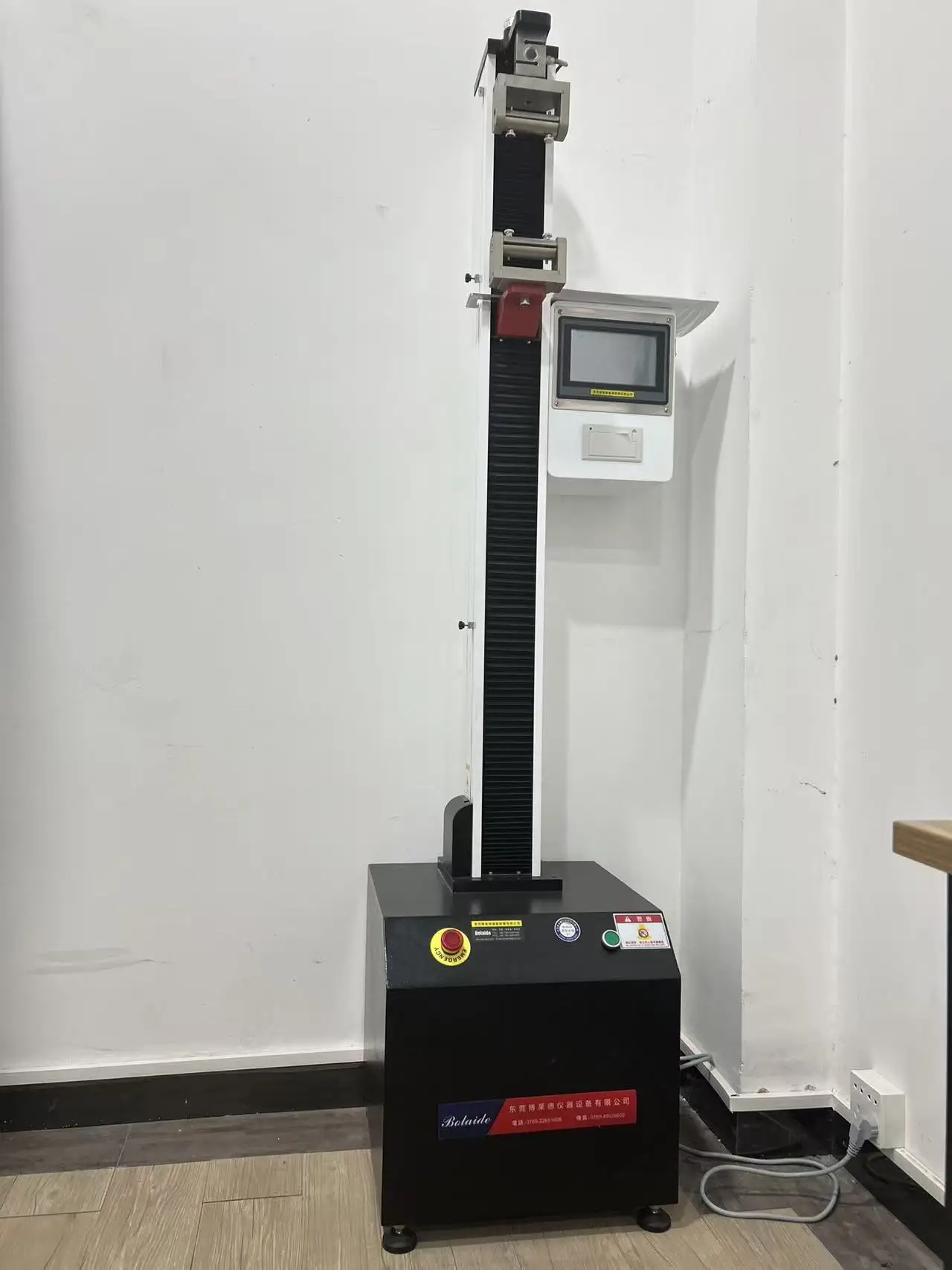
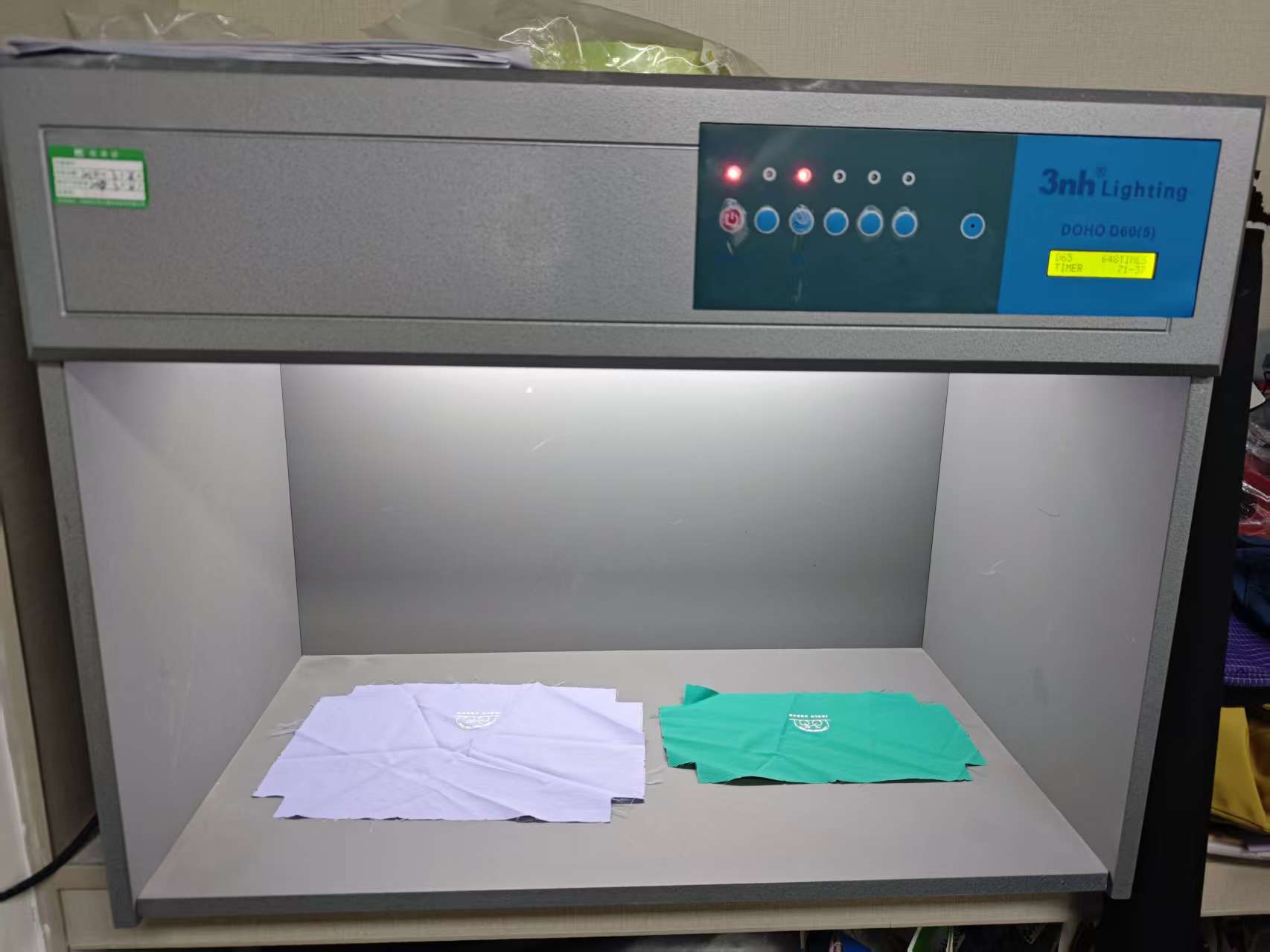
Our checks include fabric quality, webbing condition, colorfastness, water resistance, tensile strength and hardware corrosion resistance. These subjects concern the material and accessories entering the bag, alongside the structural questions raised by the sample.
The OEM backpack manufacturer also evaluates material procurement, the number of colors, accessories, packaging and production scheduling when assessing an order. A quotation uses the required style, material, quantity, customization details and target delivery date.
Together, these inputs describe the work being evaluated. A launch month alone cannot indicate whether the specified fabric, component selection and packaging requirements are sufficiently defined for that assessment.
Carry the Approved Design into Production Work
Approved designs become production patterns, with automatic nesting and cutting preparing the fabric pieces. A pattern translates the accepted structure into parts for manufacture; nesting concerns their arrangement for cutting.
Neither operation resolves an undecided pocket location on behalf of the design team. Its position belongs in the approved design that the production pattern represents before those pieces move into sewing and assembly.
Our seven sewing lines divide fabric joining, compartment construction, lining installation and accessory assembly. Stress points can receive double stitching, and production checks examine stitch security and attachment strength.
A production period for this work depends on material procurement and factory scheduling. Approved patterns and selected components define what reaches the sewing lines, connecting construction details with the preparation needed before assembly.
Sample confirmation and preproduction sample verification are part of our quality sequence at ChangRong, followed by checks during mass production and finished-product inspection.
In an OEM backpack customization timeline, these stages connect the accepted proposal with the work being produced. The reference for production remains the confirmed design, with inspection examining its execution as the order advances through manufacture.
Bring Packaging and Records to the Shipment Handover
Logo printing, hang tags, manuals, cartons and protective materials can form the packaging development scope. Their selection determines what accompanies the finished backpack and how the order is packed. Goods are sorted and packed by order, so packaging information has a practical destination beyond the artwork file: it accompanies the manufactured items as they are prepared for shipment.
Production-progress updates record movement through the work, while inspection reports provide records as the project approaches shipment. Reading the two together distinguishes an account of progress from inspection information about the goods. The shipment discussion can therefore retain the current project status alongside the inspection record for the particular manufactured order.
At each handover, our ChangRong development discussion returns to what the receiving stage has available. The OEM backpack manufacturer needs the relevant approved design, materials and order details to accompany that transition. Spring launch preparation advances through those concrete transfers, with the next team receiving the approved outcome on which its own work depends.