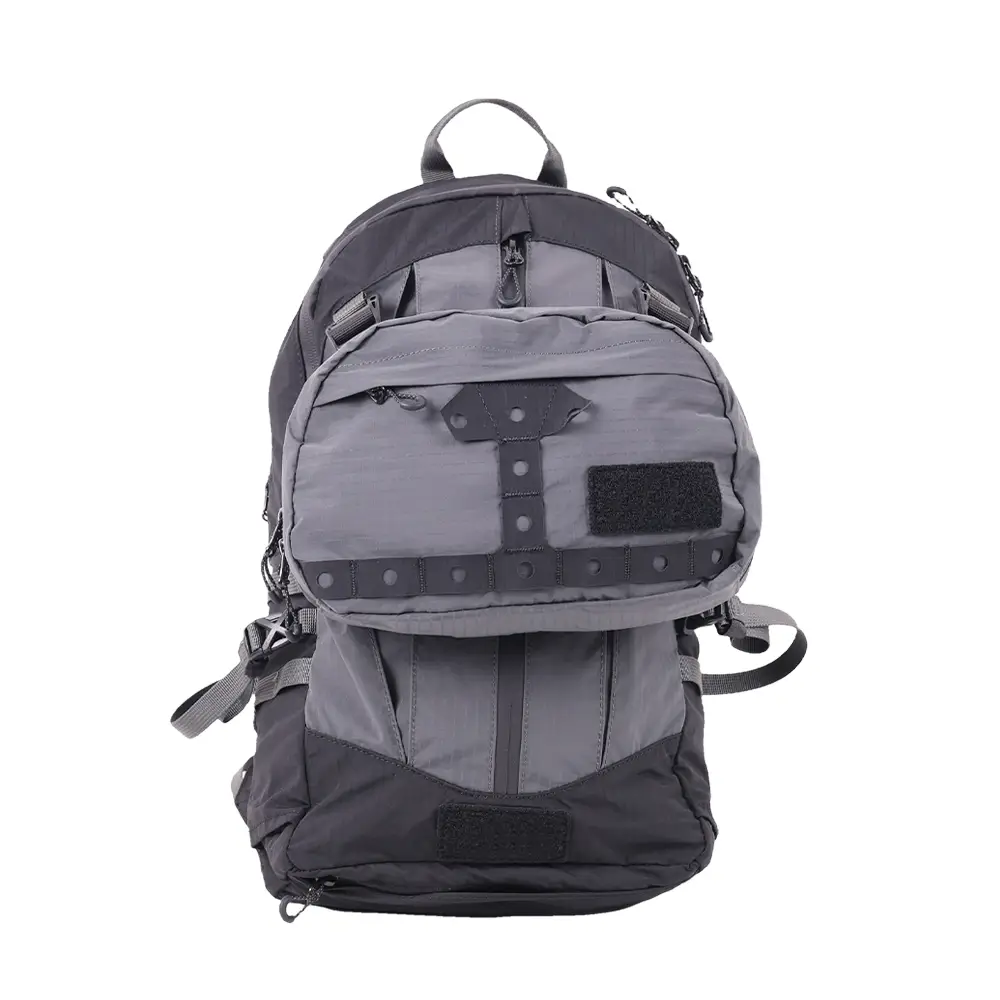
Two pieces of fabric cannot be judged consistent unless they are compared against a shared reference. A color name gives the discussion a subject, but a shared requirement gives the judgment a basis. For a China backpack manufacturer, control begins with that agreed reference. We connect the written requirement to material checks, sample confirmation and production inspection, keeping appearance and color stability as separate questions.
Establish What the Color Requirement Means
A written color standard defines the requirement against which subsequent comparisons are made. Our OEM specifications can define color standards alongside finished dimensions, fabric weight, stitch spacing, thread finishing, zipper operation, load testing and logo execution.
Each describes a different property of the proposed bag. Agreement on its size does not settle the appearance of its fabric, just as a selected fabric color does not approve its stitching.
The reference also needs a defined object. A body panel, shoulder strap and applied logo occupy different parts of the construction; calling them all the same color leaves their individual appearance unexplained. Embroidery, heat transfer and screen printing place the chosen logo within that finished construction.
Its appearance can be considered alongside the material carrying the mark. During backpack manufacturing, the relevant question is which selected component is being compared with the agreed requirement. Visual similarity between unlike surfaces cannot be established merely by repeating one color name.
Written requirements give a China backpack manufacturer a point of return when a comparison raises a question. We can select fabric colors and hardware for the project, with customization extending to dimensions, compartments, shoulder straps and functional components.
Color belongs within that chosen construction. Its approval remains a decision about the identified material or component rather than a general endorsement of every surface on the bag.
Separate Appearance from Stability and Defects
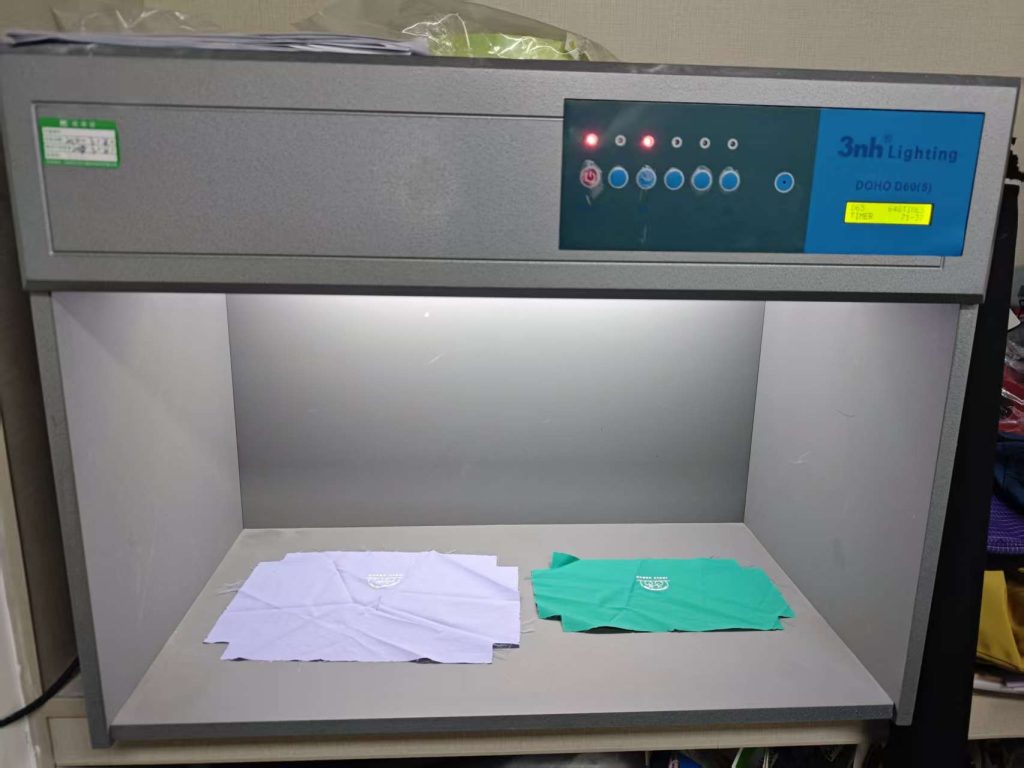
Appearance at the time of inspection and resistance to color change answer different questions. At ChangRong, our color controller light box supports color observation, while the colorfastness testing machine is used to verify color stability.
The presence of both instruments reflects that distinction. An initial appearance comparison does not supply a colorfastness result, and a stability check does not by itself establish a match between components.
Fabric inspection has another role. Our fabric checking machine supports examination of the material, while webbing testing checks for weaving defects. A defect in the textile structure is a different finding from disagreement with a chosen color.
Keeping those findings separate makes their meaning clearer: the condition of a woven component and its observed appearance need their own assessment rather than one interchangeable description.
Incoming material checks include colorfastness together with fabric quality, webbing condition, water resistance, tensile strength and hardware corrosion resistance. These subjects place color within a broader backpack manufacturing review.
A written color requirement identifies the appearance being compared; other inspection subjects concern properties of the corresponding materials or components. Incoming review can address several questions while keeping each requirement attached to its object.
Carry the Reference from Sample to Bulk
Sample confirmation gives the agreed design a physical form before bulk work begins. Preproduction sample verification follows, with sampling during production and inspection of finished bags.
Across those stages, a China backpack manufacturer needs the comparison to remain attached to the requirement under review. Otherwise, accepting a sample and examining a finished bag would be separate judgments without an explained relationship between them.
Our samples and bulk orders use the same production line and quality standards. That connection concerns the manufacturing basis of the approved design; it does not remove the need for later inspections. Materials enter production, pieces are joined and accessories are attached. Observations at those stages concern the bag as it is being made, while finished inspection examines the assembled item before shipment.
At ChangRong, in-process checks examine stitch security and accessory attachment, and finished inspection checks for broken threads, missing stitches and material defects.
Stitch security describes how joined pieces hold together; accessory checks examine the components fixed to them. Color comparisons address the selected surface and its agreed appearance. The specific inspection subjects therefore follow different properties of the same assembled bag.
Keep Inspection Evidence Open to Review
Inspection responsibility gives the written requirement an operational setting. Eight full-time QA/QC inspectors monitor sewing, assembly and logo processes, and our quality-control service uses six sets of professional testing equipment.
Monitoring follows production operations, while equipment supports examinations of material properties. A color finding concerns the examined material; staffing and equipment counts describe the resources available for carrying out those examinations.
Traceable inspection records and production-progress updates are available during the project, with a quality-inspection report supplied before shipment. In backpack manufacturing, those records support review of the work as it progresses.
A general inspection report is not automatically a dedicated color report. The useful distinction is between the availability of project records and the particular evidence needed to answer a specific color question.
The strength of a color judgment rests on whether its reference and supporting examination can be identified together. At ChangRong, we connect the written standard with the relevant material or component, sample reference and available inspection evidence. An examination can then be read against the component it concerns, tracing that particular color judgment back through its sample reference to the agreed requirement.