Within our ChangRong drawstring range, carrying configurations and body sizes vary from one model to another. An outdoor-event brief for a waterproof drawstring backpack therefore starts by naming the existing body and identifying the construction proposed for it. Model features, a chosen material treatment and the details at openings belong to separate parts of that description.

Keep the Existing Bodies Distinct
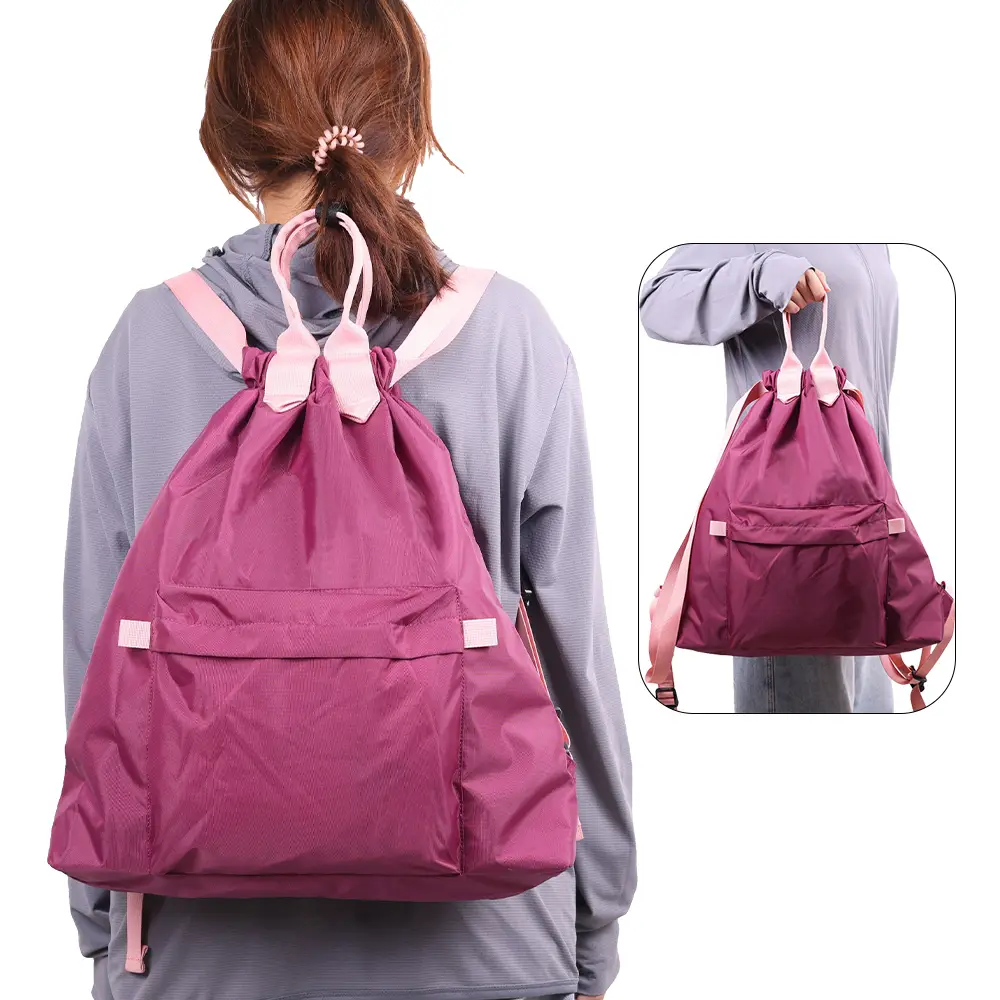
The RPET CXN1094 measures 42 × 9 × 49 cm. Its lightweight, transformable body combines a drawstring top with paired handles, adjustable shoulder straps and a front exterior pocket. Backpack and hand-carry configurations belong to this model, whose water-resistant fabric provides protection against rain and splashes during everyday outings and outdoor travel.
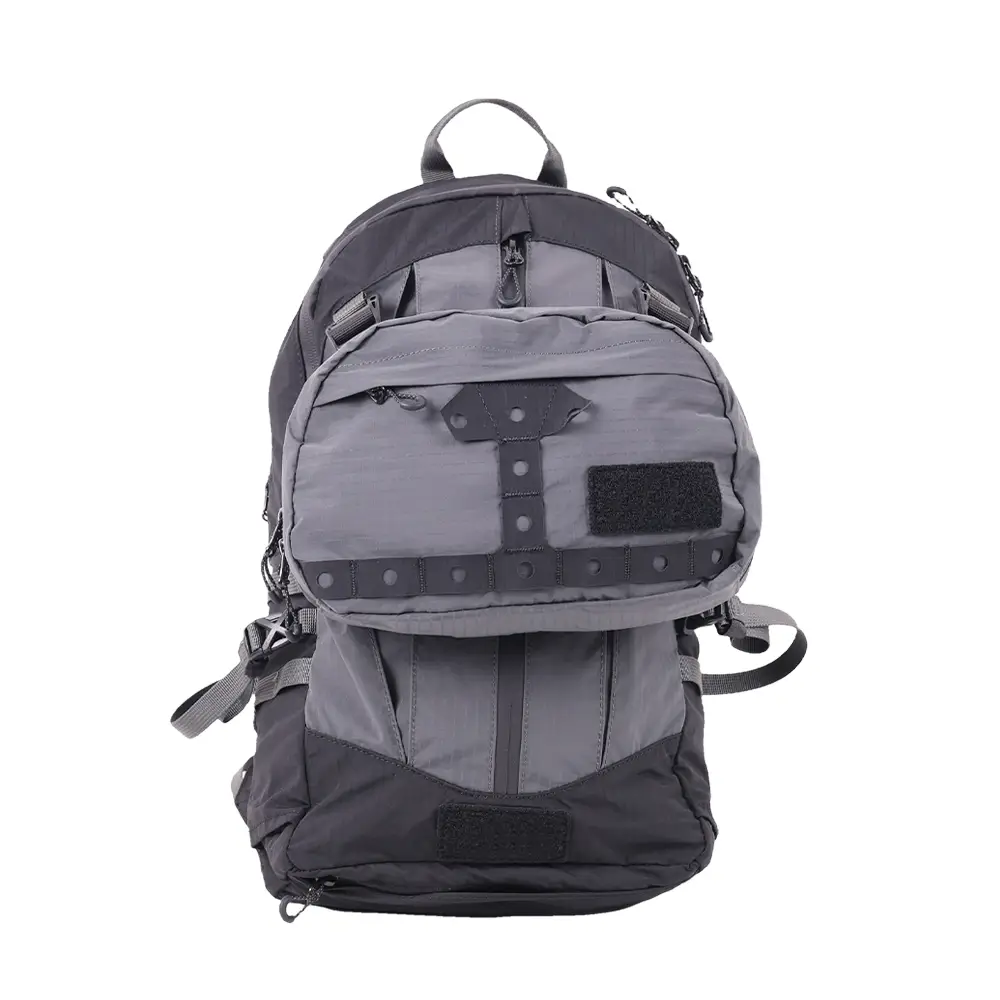
Folding is a particular consideration for the Light Travel Series CXN1098. This 47 × 17 × 33 cm model changes shape and folds down for storage or use as an extra travel bag. Its drawstring opening operates quickly, and its water-resistant protection covers light rain and accidental spills. CXN1097 is a separate 30 × 13 × 46 cm design with convertible carrying and storage options and protection against light rain and splashes.
The unisex CXN1115 combines a durable fabric body, multiple pockets and a drawstring opening, switching between tote and backpack use for commuting, errands and light travel.
An outdoor drawstring bag proposal can begin with one of these configurations. Each feature remains attached to its own model; folding, material identity and carrying options cannot simply be combined into an assumed standard version.
Describe the Material Mechanism
Lamination places a thermoplastic polyurethane layer against a base fabric to create a barrier against water penetration. The bond joins two materials with different roles: fabric supplies the supporting surface, while the TPU layer supplies the proposed barrier. Controlled temperature and pressure belong to that bonding operation. Different base fabrics can be paired with TPU to vary texture, color and appearance.
A waterproof drawstring backpack project can alternatively consider hydrophobic fibers or coatings. Their action occurs at the surface, encouraging droplets to gather and run off.
Softness and breathability remain part of this material option, while resistance depends on the treatment and fabric construction. The relevant use may be light rain and accidental splashes rather than prolonged exposure; the treatment name does not supply a numerical protection rating.
Our material selection work at ChangRong includes these distinct construction choices. A laminated proposal needs an identified base fabric and bonded layer; a hydrophobic proposal needs an identified surface treatment.
These are customization options to discuss for the intended event use, rather than material specifications automatically assigned to every existing model. Describing the selected mechanism gives subsequent construction discussions a definite starting material.
Name the Opening and Connection Details
Gathering fabric at the top establishes the drawstring opening’s shape and operation. A material description addresses the fabric, while the opening description addresses how that fabric closes around the contents. For an outdoor drawstring bag, the construction note needs to identify the chosen opening and its relationship to the body, without treating the material treatment as a description of the closure.
Seams introduce another construction subject. Their technology belongs alongside fabric quality in assessing moisture protection. The specification can identify the connections used in the selected body and distinguish them from the broad fabric panels. A proposed material change can then be discussed with those connections visible, rather than leaving the joining construction implicit behind a general material label.
Any zipper included in the chosen layout also needs its own design description. An exterior pocket opening and the main drawstring top perform different storage tasks, even on the same bag. Naming the actual openings keeps their details tied to the selected configuration. A zipper design from another model cannot be assumed to accompany a different body simply because both belong to a drawstring range.
Hand Over Separate Construction Decisions
The development brief for a waterproof drawstring backpack can record the chosen model before stating its proposed material construction. For lamination, that means the base fabric, TPU barrier and controlled bonding relationship.
For a hydrophobic option, it means the treated fibers or coating and the intended surface action. The two descriptions answer different manufacturing questions and need their own confirmation.
Color and logo options complement our fabric and structural customization work. A requested change to an outdoor drawstring bag can therefore be described at the part concerned: material, opening, pocket or connection. Separate descriptions preserve the distinction between an existing feature and a proposed alteration, so the construction discussion has identifiable items to resolve.
For a proposed CXN1094 version, retaining the paired handles, adjustable shoulder straps and exterior pocket keeps the carrying layout identified while the material decision is recorded. A foldable CXN1098 proposal starts from its own changing shape and storage role. The development note can state which existing parts stay in place and which specific part is being altered for the event.
For an outdoor-event project, ChangRong supports material and construction selection according to the intended use, while our development discussions identify the selected body, the existing features to retain and each proposed alteration within the brief.
The construction handover is ready when the selected material mechanism and every opening or connection have their own explicit description and can be confirmed separately.