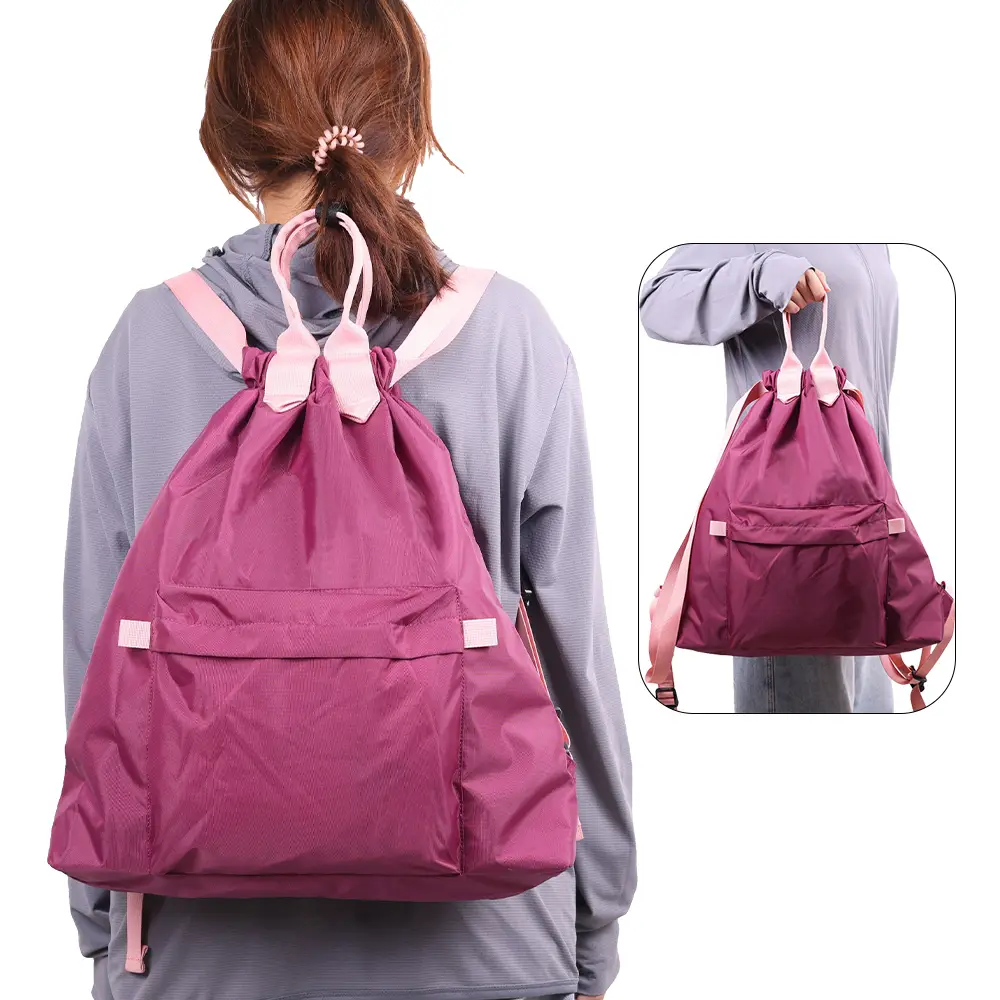
Work and weekend activities can call for different carrying arrangements even when the same person packs the bag. ChangRong‘s CXN1125 provides a useful starting point: our women’s nylon model supports backpack, handbag and crossbody use for commuting, shopping and travel. Choosing a women’s commuter backpack begins with those actual activities and the belongings involved. We treat carrying preferences, pocket access and any additional storage requirement as connected decisions.

Match Carrying Modes to the Day
The activity determines what needs to be carried and how often the bag changes position. A journey involving walking, a workplace arrival and a later shopping stop creates several occasions to review the carrying arrangement. Backpack, handbag and crossbody configurations offer different positions for the same belongings. The relevant comparison is how each configuration fits the planned activity.
CXN1125 measures 22.5 × 14 × 32 cm and uses lightweight, wear-resistant nylon. Its casual design belongs to the commuting, shopping and travel settings described for the model. Those dimensions provide a reference for reviewing the intended contents, while the three carrying modes address how that same bag can accompany different parts of the day.
A request for an expandable commuter backpack introduces a separate question: whether the contents require additional storage depth as activities change. Carrying a bag in another position does not by itself increase its space. Identifying the actual extra belongings gives that request a concrete meaning before a particular structure is proposed.
The distinction becomes useful when work equipment leaves the bag at home but personal items travel on a weekend outing. A change of contents may be handled through organization alone, whereas another itinerary may require a different capacity. Neither outcome follows automatically from a work-to-weekend description. The carrying choice and the storage requirement need their own reasons.
Read the Pocket Layout Against the Contents
Pocket usefulness depends on the belongings assigned to it and the opening through which those belongings are reached. CXN1125 has pockets of different sizes for small items such as a phone, wallet and keys. Those examples establish a practical starting group for reviewing daily organization, with each item’s intended position considered alongside the chosen carrying mode.
Small items and larger work belongings create different layout questions. A separate place for keys concerns access and containment; carrying a particular piece of work equipment also raises questions about its dimensions and the surrounding structure. The equipment and its protection needs must be described in a project brief before an appropriate compartment can be developed.
For a women’s commuter backpack, this review can begin with the contents that remain through both work and weekend use. The next group contains items specific to one activity. Keeping those groups distinct reveals whether a pocket arrangement suits both situations or whether changing activities requires substantial repacking. The useful finding is a specific layout need.
A short packing comparison can keep the exercise concrete: place the shared personal items first, then review the required work items and the weekend additions separately. The purpose is to identify what actually changes between activities. A new feature deserves consideration only after the underlying need has been made clear.
In ChangRong customization, work and weekend requirements shape capacity, compartment layout, shoulder straps and functional modules. An expandable commuter backpack proposal can therefore be discussed through actual storage and access requirements, supported by renderings and prototypes. The project needs to define the additional space and its relationship with existing pockets rather than assume an unspecified expansion feature.
Separate Existing Features from New Requirements
An existing model supplies a set of established characteristics, while a development brief describes what a new version needs to do. CXN1125 offers the nylon construction, small-item pockets and three carrying modes outlined above. A requirement for laptop accommodation, a revised compartment or variable depth belongs in the design discussion for the proposed project.
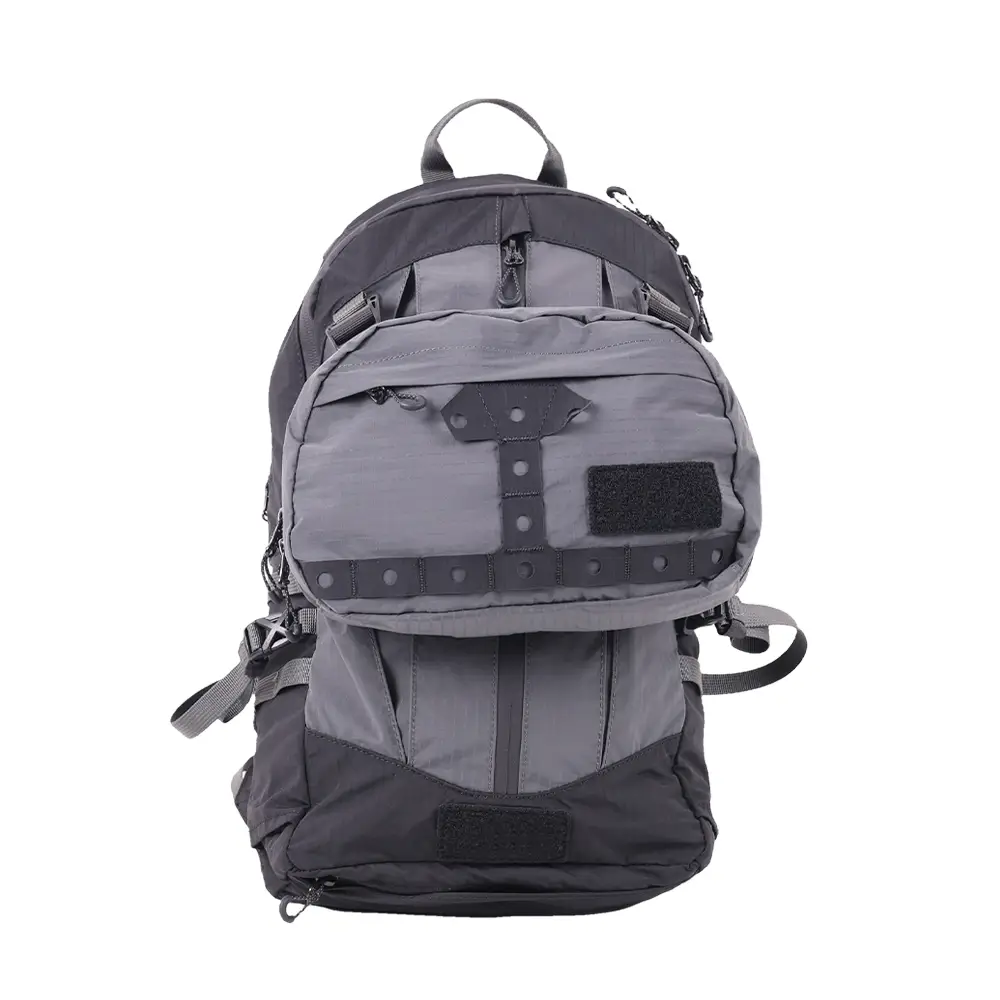
Our women’s commuter backpack selection also needs clear model identities. CXN1155 is a men’s Transformable Series design measuring 24 × 10 × 45 cm, with configurable compartments and laptop organization.
Chest bag and waist bag are configurations of its detachable front pouch. That modular structure provides a separate development reference, while CXN1125 remains the women’s model under consideration.
Developing an expandable commuter backpack from stated requirements involves deciding which parts of the organization should change and which should stay familiar. Our service supports alterations to color, logo, fabric and structure.
Sourcing choices include GRS-certified recycled RPET, nylon, polyester and corduroy, with customer-specified materials also supported. The material and structure can then be considered together for the intended project.
Sample confirmation gives those decisions a physical reference. The chosen contents, carrying arrangement and pocket relationships can be reviewed on the prototype before preproduction verification.
Incoming materials, manufacturing samples and finished items are checked against the agreed design during production. For the selection itself, the distinction remains between a suitable existing arrangement and an additional requirement that needs development.
Two clear routes emerge from the comparison: select a model whose established features fit the activities, or define the changes a custom project requires. ChangRong supports that assessment through our product layouts and development service. The final choice should be checked against the actual work and weekend belongings, with each added requirement explicitly accounted for.