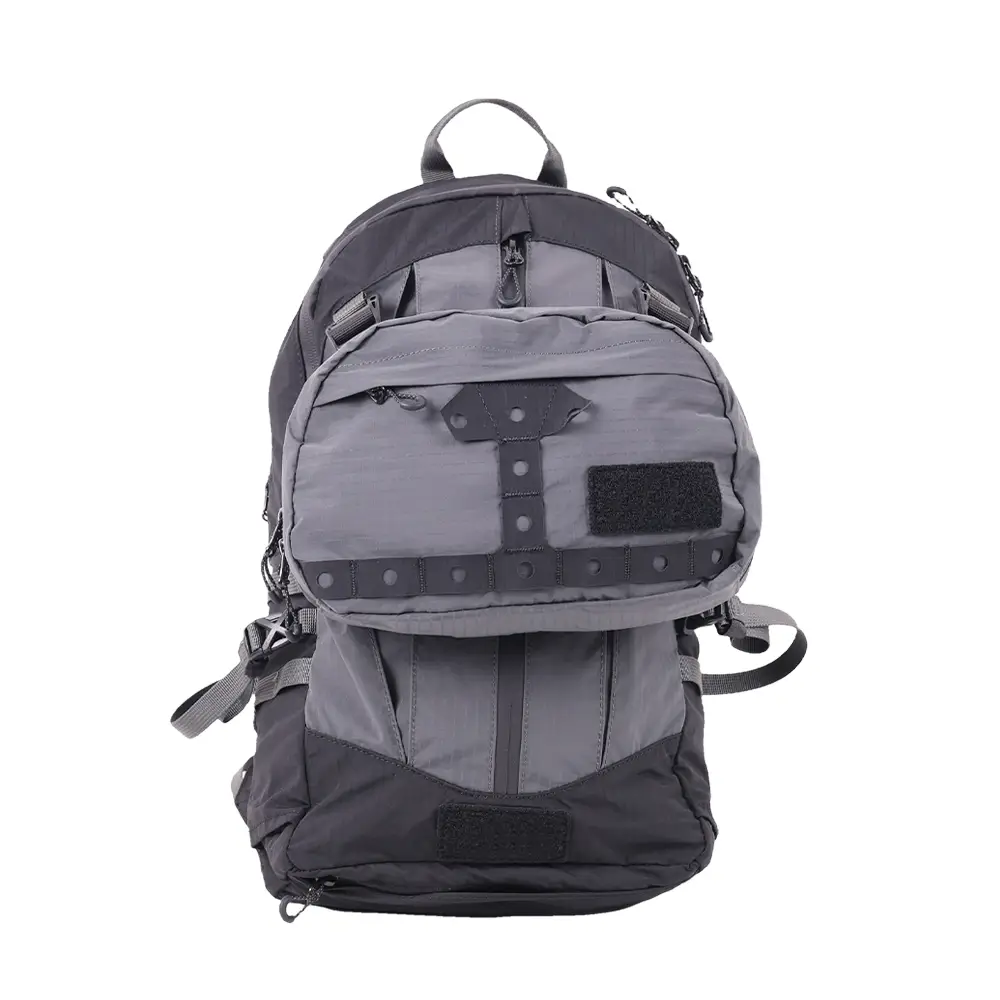
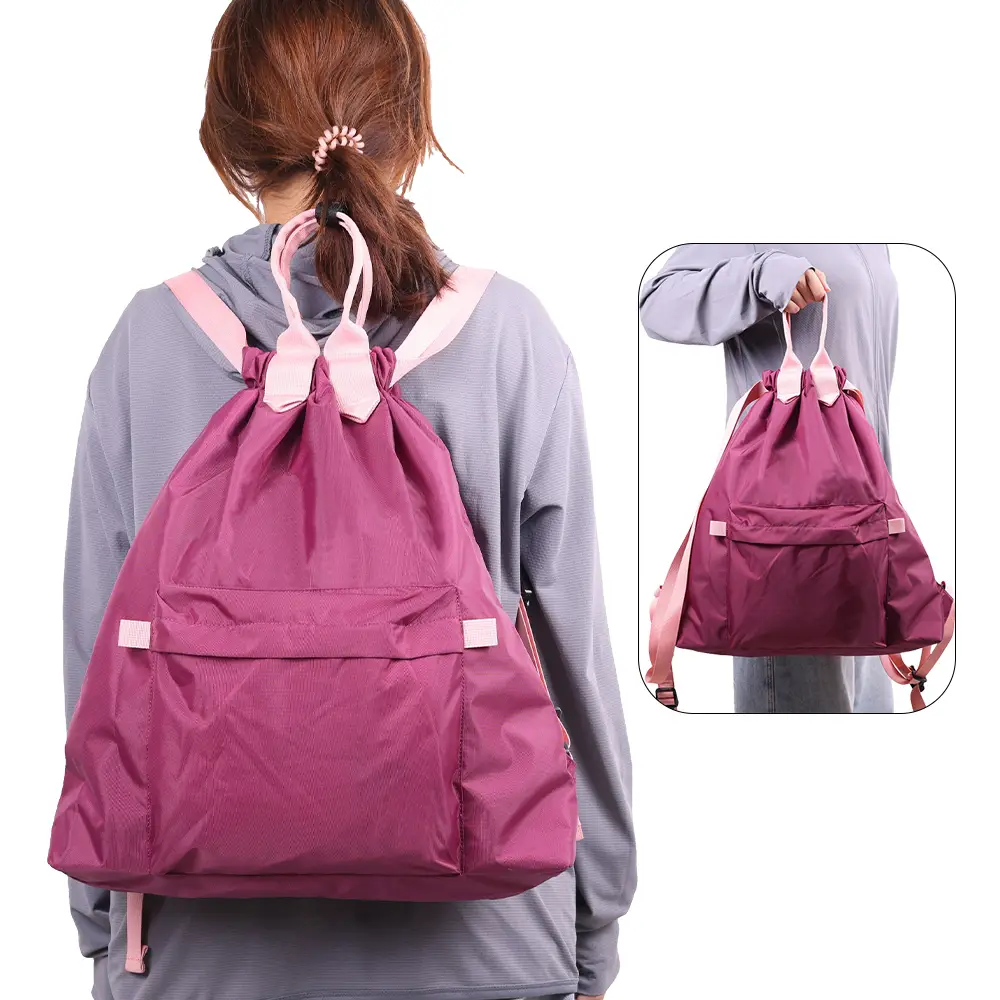
Thickness alone does not describe whether padding keeps equipment separated from a corner after a loaded bag has been carried and set down. In a custom camera bag, foam forms part of a shaped and attached construction. Load, movement and the resulting positions of the equipment, dividers and outer shell provide the reference for assessing how that construction behaves.
Establish the Loaded Reference
Before reinforcement is assessed, the intended contents establish a representative load. ChangRong uses that loaded reference when checking reinforced samples for custom mirrorless bags. We examine the relationship between the equipment and the surrounding construction, with attention to changes that may become apparent during carrying, placement and movement beside the body.
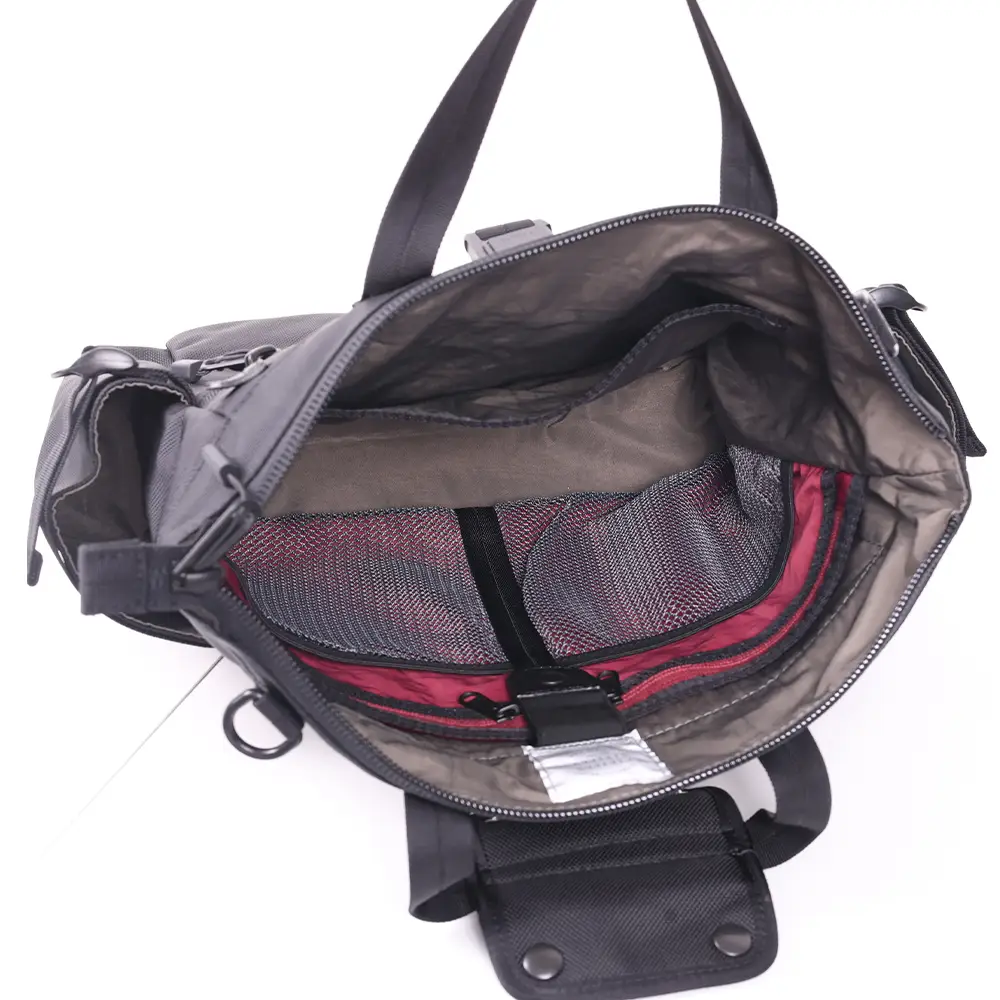
Our CXN1153 provides one camera bag structure for discussing such requirements. Measuring 31.5 × 12.5 × 32 cm, it has a zippered top, internal mesh storage and a fastening strap. Its wear-resistant fabric body supports hand, shoulder and crossbody carrying. The paired handles join with a snap-fastened grip wrap, while exterior pockets provide additional storage locations.
Keeping the intended equipment arrangement consistent across a comparison separates a construction change from a packing change. If both the divider position and the contents move between observations, a difference may have more than one explanation.
A development review can identify what is being held constant and what is being revised, then return to the same corner, seam or foam boundary. The resulting comparison concerns that particular construction relationship, with the load providing context for the observation throughout carrying, placement and body movement checks.
Compare Cushioning and Support
Closed-cell EVA and softer open-cell sponge represent different padding choices for a mirrorless camera shoulder bag project. EVA can contribute cushioning and structural support, while the softer alternative has cushioning and compression characteristics that depend on its specification. The choice concerns how the material is used within the bag, including its relationship with internal dividers.
Thickness belongs alongside shape, position and attachment in that discussion. A piece of foam occupying a corner has a different relationship with the equipment from a divider standing between storage areas. The custom specification needs to describe those roles. These padding options belong to development decisions; they are not an identified standard material list for CXN1153.
Follow Movement to Possible Weak Points
Carrying and setting down place the sample in different relationships with its contents and surroundings. In ChangRong sample checks, rotation against the hip, placement beside furniture and movement through narrow spaces are also considered. Those actions provide situations in which corner alignment, stitching separation, foam movement and the division between equipment and shell can be examined.
A custom camera bag assessment can connect each movement to a specific observation. After the sample is set down, the relevant question may concern a corner or a shifted divider. Following movement against the body, the observer can examine the relationship between the padding and its attachment. An action becomes useful to development when it points to an identifiable construction detail.
The observations need to remain distinct from an assumed protective result. A description of a check identifies what is examined; the particular sample establishes what happens under its representative load. Changes to the reinforcement can then be directed at the observed relationship, rather than selected solely because a thicker or softer material appears more reassuring before use.
Turn Observations into Construction Details
An observation of movement becomes actionable when the construction specification identifies the part involved. Our reinforcement records cover material, thickness, shape, placement, seam allowance and stitch path. They also describe the relationship with the foam and the transition into the standard shell, connecting the local reinforced area with the surrounding bag body.
Developing a mirrorless camera shoulder bag involves keeping those details connected. Moving a reinforced section can change where it meets a seam, while a different foam shape can change the boundary beside a divider. Recording the selected arrangement gives the next sample review a specific construction to examine instead of an undefined request for more padding.
The relationship between observation and specification also keeps different issues separate. Foam movement concerns one part of the construction; stitching separation concerns another. A proposed revision can address the observed location and then be reviewed against the same intended load. The point is a clear connection between a finding and the part that is revised.
Check the Body Contact Side
Equipment protection and body contact occupy different sides of a custom camera bag assessment. Our back-panel development begins with a loaded bag to examine compression and weight distribution. Padding compliance against body shapes, airflow clearance, pressure hot spots and comfort over extended use are additional review subjects, considered alongside the equipment-facing construction.
The bag’s carrying configuration matters to that distinction. A hand-carried arrangement does not place the same parts against the body as shoulder or crossbody carrying. Reviewing the intended mode with the representative load keeps the back-panel questions connected to actual contact, while corner and divider checks continue to address the equipment inside the shell.
Our mirrorless camera shoulder bag development at ChangRong links each reinforcement specification to observations of the loaded sample. The final inspection questions remain concrete: corner alignment, the separation maintained by dividers, foam position and the way each reinforced area meets the shell under the representative load.