A wildlife photographer may wait beside a trail for an hour, then need to reach a camera body and lens in seconds. An adventure photographer may carry the same equipment from a station to a rocky viewpoint. At ChangRong, we develop camera bags around those movements, considering access, organization, and carrying comfort alongside storage.
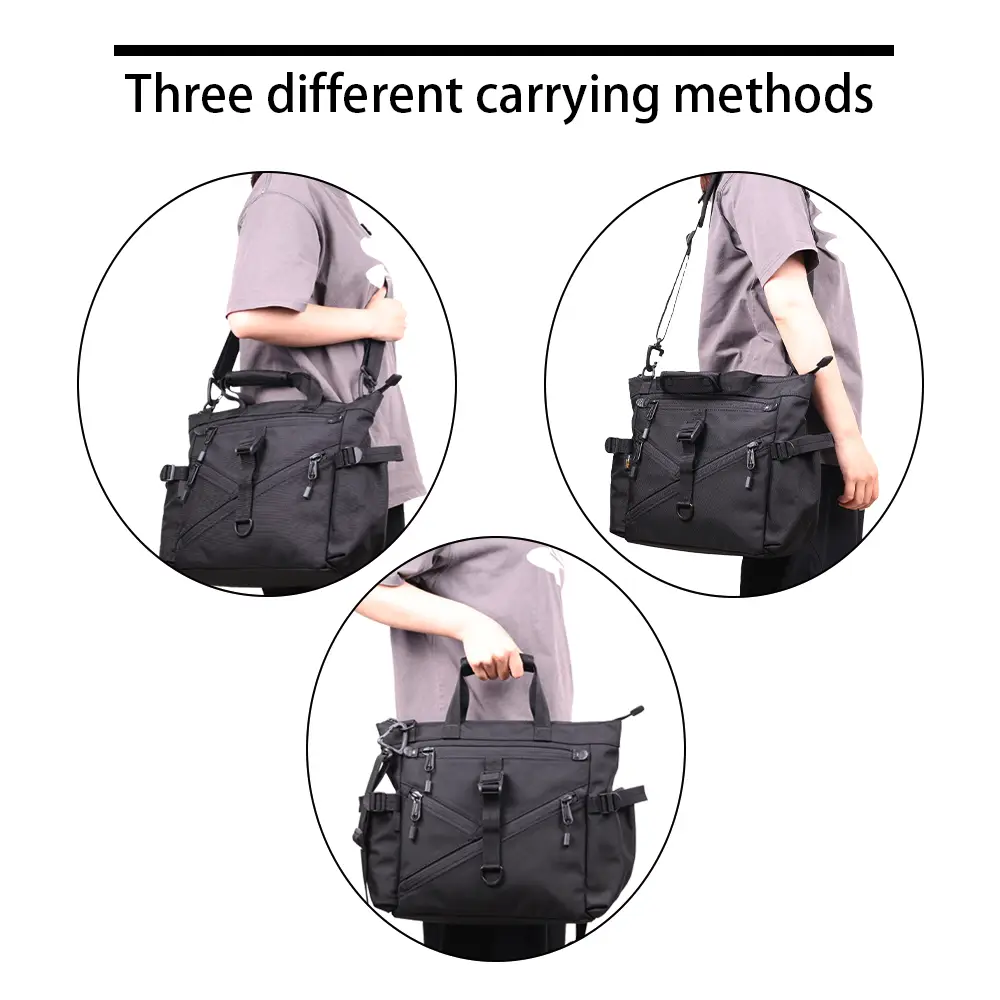
The Functional Transform Series camera bag, model CXN1153, measures 31.5 × 12.5 × 32 cm. Its multi-pocket design stores a camera and accessories, while the transformable structure can be adjusted according to different needs. That gives travel photographers a practical starting point for a field-ready design.
Start with the route, not the camera label
A wildlife assignment and an adventure trip can involve very different movement. A photographer watching birds may stay still for long periods, then move quietly across uneven ground. An adventure photographer may walk through a station, climb a trail, and stop repeatedly to change equipment. The bag needs to support both stillness and movement without forcing the user to unpack everything.
Begin by listing what the photographer reaches for most often. A camera body, lens, spare battery, memory cards, charging cable, and personal items may all travel together. The multi-pocket structure gives each category a defined place, helping the user find a small accessory without shifting the entire load.
The product is described for daily shoots, travel, outdoor adventures, and commuting. Those settings suggest a versatile carry rather than a specialized equipment case for one narrow activity. A bag that moves from a city street to a wildlife trail can serve more trips, provided its storage remains clear and its transformable features are easy to operate.
Wildlife photographers also value quiet handling. Loud or awkward openings can disturb a subject during a close observation. A practical design should allow the user to open the needed compartment, remove an accessory, and close the bag again without spreading equipment across the ground.
Give the camera bag a defined working size
The 31.5 × 12.5 × 32 cm dimensions create a clear limit for the equipment plan. The bag can organize a planned camera setup and accessories, but it is not a replacement for a large case holding tripods, extensive lighting equipment, or several oversized lenses. Keeping that boundary visible helps the user pack with more control.
A defined size also supports easier travel. The bag can sit beside a seat, under a desk, or in a vehicle without the bulk of a full expedition case. During a train journey, the photographer can keep the camera close while leaving room for a notebook, cable pouch, or light personal item.
Internal space should be divided by access frequency. The camera body and frequently used lens belong in the easiest-to-reach area. Batteries, memory cards, and cables can sit in smaller pockets. Personal items should remain separate from equipment that needs to stay clean and protected from loose objects.
The product’s high-quality fabric is described as wear-resistant and durable for long-term use. That material direction suits a bag that may brush against a vehicle seat, trail surface, luggage rack, or café chair. Durability matters most when it supports repeated handling without making the bag difficult to carry.
Protect access while wildlife is moving
A photographer does not always have time to stop and reorganize. On a wildlife trail, a subject may appear between trees for only a few seconds. During an adventure, weather or terrain may make it inconvenient to place the bag down. Pocket placement should help the user act quickly while keeping the remaining equipment in order.
The transformable structure can support different carrying preferences. A photographer may adjust the bag for a closer position while walking, then change the arrangement when stopping to work. The useful feature is not transformation by itself, but the ability to adapt the carry without losing track of the equipment inside.
Strap placement and opening direction also affect field use. A bag should remain balanced when worn and should not swing heavily when the user bends or steps over uneven ground. The main compartment needs enough opening space to remove a camera body without catching on neighboring pockets.
We test those details with a realistic load. Place a camera, lens, battery, cable, and personal items inside. Walk, sit, bend, and change the carry position. Then open the bag as if a wildlife subject has just appeared. This reveals access problems that a flat product photograph cannot show.
Is a transformable camera bag practical outdoors?
It can be practical when the change in configuration solves a clear carrying problem. A photographer moving through a city may prefer a compact arrangement for commuting. On a trail, the same user may need faster access to a camera and lens. A transformable design gives the bag room to support both situations.
The structure should still remain simple. Too many adjustments can slow the user down or create uncertainty about where equipment belongs. The best field experience comes from a small number of useful changes that are easy to understand before the trip begins.
The camera bag is not a substitute for every type of outdoor equipment carrier. A long expedition with a tripod, drone, multiple lenses, and lighting accessories may require a larger system with more specialized support. This format is better suited to a planned camera setup, daily photography, travel, and moderate outdoor movement.
For the best DSLR camera bag for travel, the practical question is whether the size, pocket layout, and carrying changes match the photographer’s actual route. A clear field brief is more useful than adding features that will rarely be used.
Turn a field brief into a dependable travel design
The product has recorded more than 100,000 sales in Southeast Asian markets and carries a rating above 4.8 stars. These figures provide useful context for a camera bag used across warm, active, and changing environments. They do not replace a personal equipment check, but they show that the format has broad practical use.
ChangRong has more than 15 years of experience with lightweight convertible bags. Our team reviews material selection, structure, sample development, mass production, and quality control as connected steps. For a travel photography design, the sample should be checked with the actual camera load, not only viewed empty.
A calm, practical design also helps on long trips. The user should know where each item belongs, how the bag changes position, and which equipment fits within the available space. Good organization reduces searching at a trail stop, airport gate, or roadside viewpoint.
When comparing a photography shoulder bag, focus on the route, equipment list, pocket access, transformable function, and realistic carrying limit. Custom colors, logos, fabrics, and structures can be discussed after those everyday photography requirements are clearly defined.