A polished sample is not proof that a camera bag order is ready for shipment. The real test begins when the bag is measured, loaded, opened repeatedly, and checked against the approved specification. At ChangRong, we use those practical checks to connect product development with reliable bulk production.
The Functional Transform Series camera bag, model CXN1153, measures 31.5 × 12.5 × 32 cm. It has a multi-pocket design, a transformable structure, and high-quality fabric described as wear-resistant and durable. Those details create a clear inspection starting point for an OEM order.
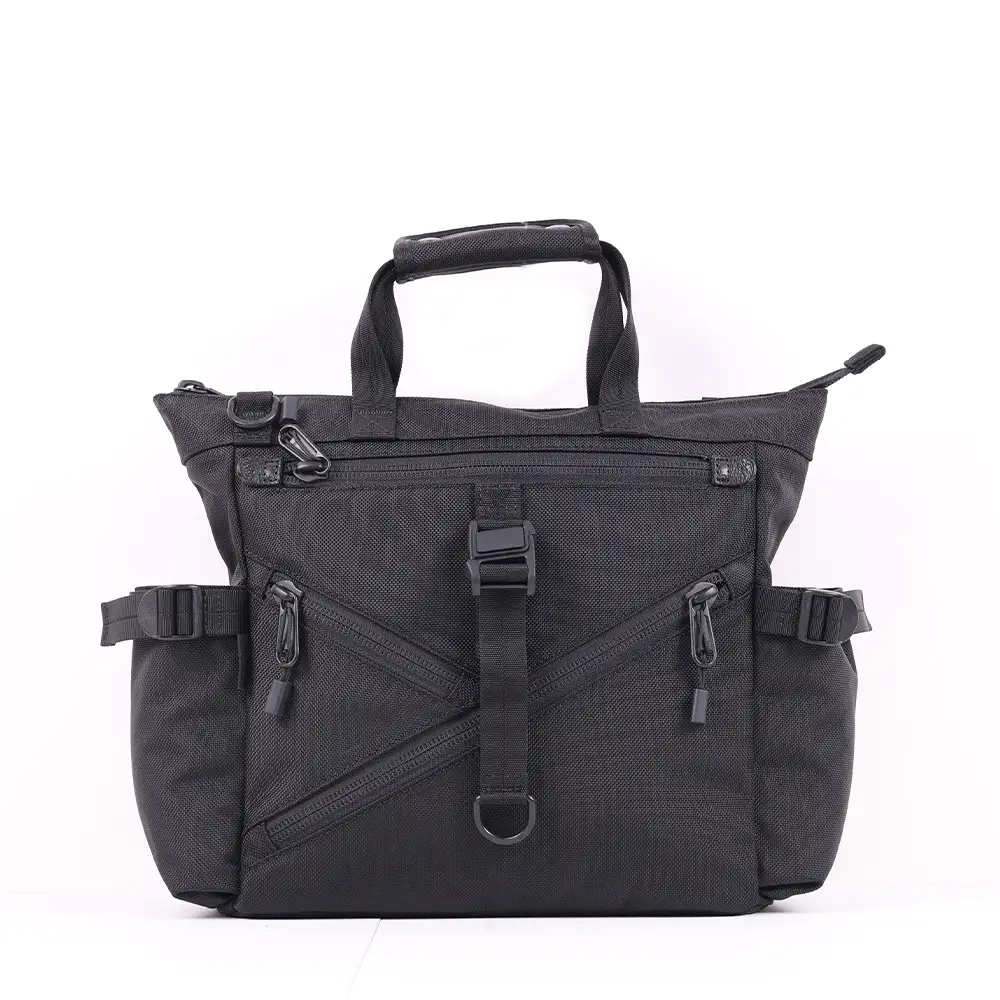
Confirm the approved specification before production
Inspection works best when every department uses the same product definition. Record the model number, finished dimensions, pocket arrangement, fabric description, closures, logo artwork, packaging, and transformable functions in one approved file. The sample on the inspection table should match that file in appearance and operation.
Measurements deserve attention because small changes can affect camera storage. Check the length, width, and height of the 31.5 × 12.5 × 32 cm body. Measure the main compartment, accessory pockets, opening width, and strap attachment points. Use the same measuring method for the approved sample and the bulk goods.
A specification file also helps control revisions. If the buyer changes the fabric, pocket position, color, or structure after sampling, mark the change clearly and issue a revised reference. Mixing an earlier drawing with a later sample can create differences that are difficult to identify after production begins.
The inspection team should receive the same reference as the sewing and packing teams. Include clear photographs, written measurements, approved color information, and notes about the transformable structure. A shared record reduces arguments about whether a difference is a defect or an authorized update.
Inspect fabric, seams, and surface finish
The product is made with high-quality fabric described as wear-resistant and durable for long-term use. Inspect the outer surface for uneven texture, visible marks, loose threads, color variation, and damage from handling. Run the check under consistent lighting so minor surface differences are easier to compare.
Seams deserve a close review around the main body, pocket edges, strap anchors, and areas where the bag changes shape. Look for skipped stitches, open sections, uneven seam lines, and thread ends that could catch during use. Pull gently at reinforced points to confirm that the sewing remains stable without applying excessive force.
The fabric should also support the bag’s practical purpose. Place it on a desk, vehicle seat, or rougher outdoor surface and check whether the body keeps its intended shape. The bag is designed for photography, travel, outdoor activities, and daily commuting, so inspection should reflect those handling situations rather than only a clean studio environment.
A camera equipment bag is not the same as a hard-shell protective case. The fabric can support organized everyday transport, but customers carrying extensive lighting equipment, tripods, or unusually heavy kits may need a larger specialized system. Keeping this scope clear helps the inspection team judge the product against its actual use.
Check pockets, access, and transformable operation
The multi-pocket design should be tested with realistic contents. Load a camera body, lens, batteries, memory cards, cables, and a few personal items. Check whether each item has a practical place and whether one full pocket blocks access to another. The bag should remain organized when partly full, not only when empty.
Open and close every pocket several times. Inspect zipper or closure movement, pocket alignment, stitching near the opening, and the amount of space available for a hand. A photographer may need to retrieve a battery or memory card quickly during a shoot, so access matters as much as the number of compartments.
The transformable structure can be adjusted according to different needs. Test every intended configuration with the bag empty and loaded. Check whether panels, straps, or closures move smoothly, whether the body remains balanced, and whether the changed position creates pressure on nearby seams.
For a bag for camera equipment, the inspection should also include a short movement test. Carry the loaded sample through a hallway, place it under a desk, lift it from a vehicle seat, and change the carrying arrangement. These actions reveal problems that remain hidden during a stationary review.
How do you test comfort and daily handling?
Fit and handling affect whether customers continue using the bag after the first purchase. Adjust the strap to different lengths and wear the sample over a T-shirt, shirt, and light jacket. Check whether the bag stays close to the body, whether the strap edge twists, and whether the load shifts when the wearer bends or walks quickly.
A useful test follows a normal sequence. Load the camera and accessories before leaving, walk for several minutes, stop to open a pocket, remove one item, and continue carrying. Then place the bag down and pick it up again. This reveals balance, access, and handling comfort during ordinary travel.
The product description presents a practical style for photography and daily use. Inspection should confirm that the visual finish supports both settings. Check the shape from the front, side, and back, and review whether logos, labels, and hardware sit neatly on the finished panels.
Weather exposure can also be reviewed within a realistic scope. The available product information focuses on durable fabric rather than a stated waterproof rating. Keep sensitive equipment protected during heavy rain and inspect whether closures, seams, and outer panels remain clean after light outdoor handling.
Record bulk results before shipment
The product supports a 100-piece trial order, with sampling in 3 days, reorders in 7 days, and bulk production in 25 days. These milestones give buyers time to schedule sample approval, inspection, packing, and freight. Inspection dates should be arranged early enough to leave room for corrections before shipment.
During the final check, compare random units against the approved sample. Review dimensions, pocket placement, fabric appearance, stitching, closures, transformable operation, labels, and packaging. Record the quantity inspected, the defects found, the corrective action, and the person responsible for follow-up.
ChangRong has more than 15 years of experience with lightweight convertible bags. Our team connects material selection, sample development, mass production, and quality control so inspection points remain tied to the product brief. The camera bag has also recorded more than 100,000 sales in Southeast Asian markets and a rating above 4.8 stars, giving buyers useful commercial context alongside physical checks.
For a Photography Gear Bag order, a clear inspection record is more useful than a general quality statement. Check the approved measurements, durable fabric, multi-pocket access, transformable function, and realistic carrying scope before release. Custom colors, logos, fabrics, and structures can then be managed through the same documented approval process.