Cost is not the only reason to choose fixed dividers. Within a 31.5 × 12.5 × 32 cm camera bag, the interior plan affects where a camera body, lens, batteries, cards, and cables sit. At ChangRong, we turn that choice into a brief.
The Functional Transform Series camera bag, model CXN1153, has a multi-pocket design for cameras and accessories. Its structure can be adjusted to different needs. It offers a useful reference for weighing fixed, modular, and hybrid layouts before sampling.
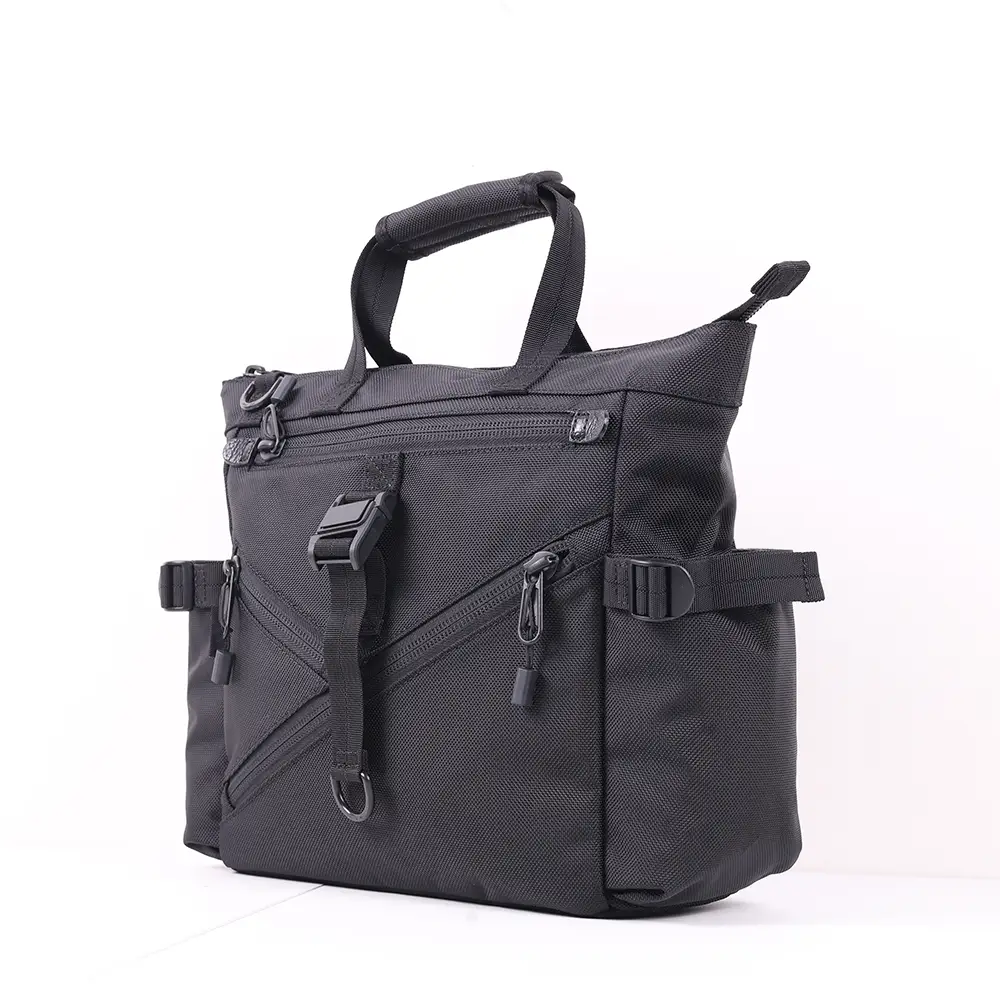
Fixed dividers create repeatable packing routines
Fixed dividers stay in one planned position. A photographer can keep a camera body in the main section, put a lens beside it, and reserve smaller spaces for batteries, memory cards, and cables. On a morning assignment, this layout lets the photographer open the bag beside a vehicle or studio table without sorting loose accessories.
For a buyer, that predictability carries into production. The sample shows divider positions, pocket measurements, and seam lines. A factory team can compare each finished multi-pocket photography bag with that reference. Product photography and packing instructions stay consistent because every unit follows the plan.
The limitation is clear. A compartment sized for one regular camera-and-lens kit may become awkward when the photographer changes to a larger body, adds another lens, or packs a notebook and charger for travel. Empty fixed sections still occupy room. This approach fits a focused routine better than a changing equipment list.
Modular panels give the interior more range
Modular dividers can be moved, folded aside, or removed to change the usable sections. A photographer might widen one space for a camera body, create a channel for a lens, then clear an area for a charger and personal items. The outer bag remains the same while the inside supports several packing patterns.
That flexibility matters when the target customer shifts between a weekday shoot, a train journey, and an outdoor day trip. One outing may involve a camera, two lenses, and spare batteries. Another may call for a camera, charger, notebook, and a light layer. An adjustable carry bag can accommodate both loads without a second exterior style.
The added flexibility also brings more variables to manage. Removable pieces need defined dimensions, finished edges, attachment areas, and placement rules. Those details can add components, sewing work, sample checks, and packaging steps. They help when the equipment mix changes often, but may not justify the work for one stable kit.
Is a modular layout worth more for a custom camera bag?
The answer depends on the product line’s use case. Fixed dividers favor repeatable organization and a shorter assembly sequence. Movable sections favor reconfiguration after the bag reaches the photographer. A hybrid can keep one stable camera compartment while leaving adjacent space open to change. Compare the intended kit, target price, and sample results before choosing.
The CXN1153 supports a 100-piece trial order, giving a team room to test a fixed interior, modular interior, or hybrid configuration. For a custom camera bag, limit the first trial to a few clear layouts. Feedback is more useful when users can name a problem, such as a narrow lens section or a panel that takes too long to reposition.
Sampling takes 3 days, reorders take 7 days, and bulk production takes 25 days. Load the proposed camera body, lenses, batteries, cards, cables, and everyday items. Open the bag on a desk, a vehicle seat, and a bench. Check whether the interior holds its form while partly full and whether each item can be found quickly.
Turn the divider choice into measurable specifications
An interior layout needs more than a sketch. Record divider height and location, removable pieces, attachment positions, lining direction, and seams that define each camera section. Photos of the sample with equipment inside give development, production, and inspection teams one shared reference.
Quality inspection should cover fabric appearance, pocket placement, stitching, closures, finished measurements, and the adjustable structure. Test a loaded bag and a partly filled one. Open every pocket, lift the bag from a seat, and check whether the camera and accessories remain in their compartments. This separates an attractive layout from one that stays usable during real carry.
The CXN1153 is described for photography, travel, outdoor adventures, and daily commuting. Its high-quality fabric is wear-resistant and durable for long-term use. It is a practical multi-pocket carry bag; teams planning extensive lighting equipment or tripods should test a larger protective format. Delicate equipment still benefits from sensible packing.
A hybrid interior often gives buyers a focused starting point
A hybrid design combines a fixed home for the camera body with adjustable space for lenses or accessories. It gives a photographer one dependable spot for the main item while the next section changes with the assignment. This can suit a line intended for daily shooting and travel.
The product has recorded more than 100,000 sales in Southeast Asian markets and a 4.8+ star rating. ChangRong supports custom color, logo, fabric, and structure, so the divider plan can match the line’s exterior details. Keep the brief specific for sample review and simple for users to understand.
For a camera bag with dividers, fixed sections suit a regular equipment list, while modular sections suit a changing one. Start with the actual gear and carry scenes your customers expect, then select the divider system that supports those routines without adding unnecessary complexity.