A 100-piece trial order can reveal more than a polished quotation. It lets a buyer inspect pocket access, fabric feel, transformable details, and production consistency before committing to a larger camera range. At ChangRong, we help wholesale buyers review those points against a clear factory process.
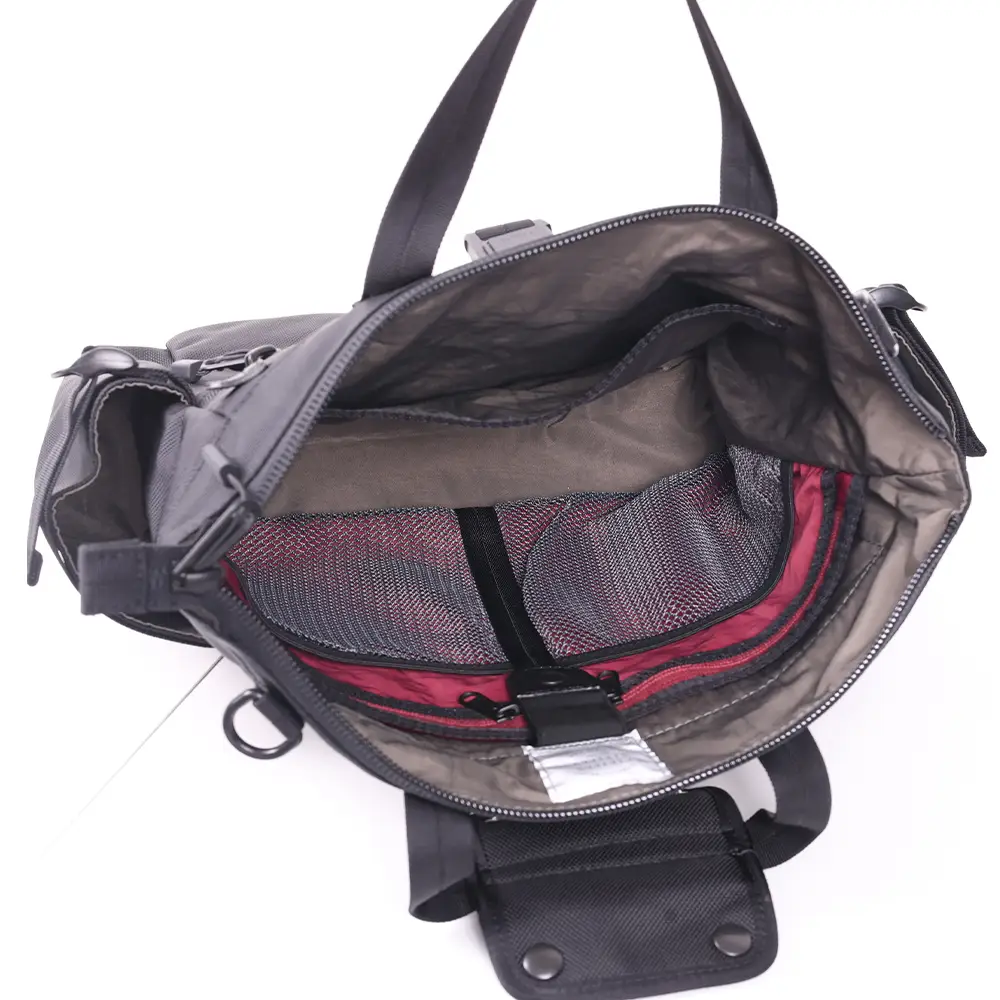
The Functional Transform Series camera bag, model CXN1153, measures 31.5 × 12.5 × 32 cm. It uses a multi-pocket design for cameras and accessories, with a practical structure that can be adjusted according to different needs. Those details give buyers a concrete starting point for factory evaluation.
Begin with a product specification the factory can repeat
A capable OEM partner should be able to discuss the product in measurable terms. For this camera bag, the brief includes the model number, dimensions, multi-pocket storage, transformable function, and high-quality fabric described as wear-resistant and durable. Ask how each point is recorded in the sample and bulk-production documents.
A clear specification reduces confusion between the quotation, approved sample, and final shipment. The pocket arrangement should match the sample. The finished dimensions should remain within the agreed tolerance. The transformable feature should operate as shown during development, not become an untested detail added after pricing.
We organize design consultation, material selection, sample development, mass production, and quality control as connected steps. This gives a buying team specific moments to review the camera compartment, accessory storage, fabric hand feel, stitching, closures, and carrying function before production moves forward.
The factory should also explain what happens when a buyer requests a change. A different fabric, logo, color, or structure can affect the pattern, sample timing, and quotation. Written confirmation keeps the new requirement from being confused with the previously approved version.
Check the factory’s sample and production timing
Timing affects wholesale planning as much as unit cost. The product’s stated service schedule is 3 days for sampling, 7 days for reorder, and 25 days for bulk production. These milestones give buyers a framework for arranging artwork approval, photography, purchase orders, inspection, and freight booking.
A sample should be more than a visual mock-up. Load it with the camera, lenses, batteries, cables, and personal items your customers are expected to carry. Open each pocket, adjust the transformable structure, and check whether the 31.5 × 12.5 × 32 cm body remains practical when partly full.
Reorder timing deserves separate attention. A factory may produce a first run smoothly but handle repeat orders differently if the material, artwork, or production notes are not preserved. Ask how the approved sample is referenced for the next order and how any requested change is documented.
Our company supports a 100-piece MOQ for a trial order. That quantity allows a wholesale buyer to test one clear configuration before adding more colors or structural variations. A focused trial also makes customer feedback easier to interpret because fewer variables change at once.
Compare cost with the complete supply process
A low unit quotation does not explain the full purchasing cost. Review fabric, lining, hardware, logo treatment, packaging, sampling, inspection, and freight assumptions together. A factory that explains these components clearly gives the buyer a better basis for comparing offers.
The page states an integrated supply chain and a cost position 8–12% lower than peers. Treat that figure as one point to verify alongside the exact material, construction, order quantity, and quality requirements. A lower price only helps when the finished camera bag still matches the approved function and presentation.
A wholesale program also needs predictable documentation. Keep the model number, measurements, pocket layout, fabric description, logo artwork, packaging direction, inspection points, and shipping notes in one purchase file. The factory and buying team can then refer to the same information when discussing a new color or repeat shipment.
For buyers reviewing a camera bag wholesale program, ask whether the quoted price includes the features that make the bag sellable: organized storage, durable fabric, practical access, and a transformable format. Separating those elements from the headline unit price gives a clearer view of value.
Verify factory capacity and quality controls
Factory capacity should be connected to the product type. ChangRong operates two factories and seven production lines, with more than 15 years of experience in lightweight convertible bags. Our team applies that experience to material selection, sample revisions, mass production, and inspection rather than treating each stage as a separate handoff.
Quality control should follow the product’s actual risk points. For this camera bag, inspect the pocket dimensions, seam strength, fabric surface, closure operation, structure adjustments, and overall measurements. The inspection plan should also confirm that the finished bag remains suitable for photography, travel, outdoor activities, and daily commuting.
Ask how defects are recorded and corrected. If a sample shows uneven stitching or an access problem, the factory should identify the cause, update the production instruction, and verify the correction on the next sample. A repeatable response is more useful than a general statement about quality.
The product has recorded more than 100,000 sales in Southeast Asian markets and carries a rating above 4.8 stars. Those figures provide useful commercial context, while a wholesale buyer should still evaluate the sample against the needs of the intended market.
Align customization with the wholesale launch plan
Customization can include color, logo, fabric, and structure. Each option should support a clear product direction. A photography retailer may prefer a restrained color range and a practical multi-pocket layout, while an outdoor-focused collection may request a different fabric feel or structure.
Confirm which changes affect sampling and which can be applied during bulk production. A new logo placement may require artwork approval, while a new structure can change the pattern and sample schedule. Recording these distinctions helps the buying team plan the launch without surprising delays.
We support a 3-day sampling stage, followed by the stated 25-day bulk-production period. Use that time to review the physical sample, product photography, packaging, and inspection requirements. If the first order performs well, the 7-day reorder schedule provides a reference for replenishment planning.
For a camera gear bag wholesale order, choose a factory that can connect specification control, realistic lead times, transparent cost discussion, and documented quality checks. A clear sample, a focused 100-piece trial, and an organized repeat-order file give your team a practical basis for building the next camera collection.