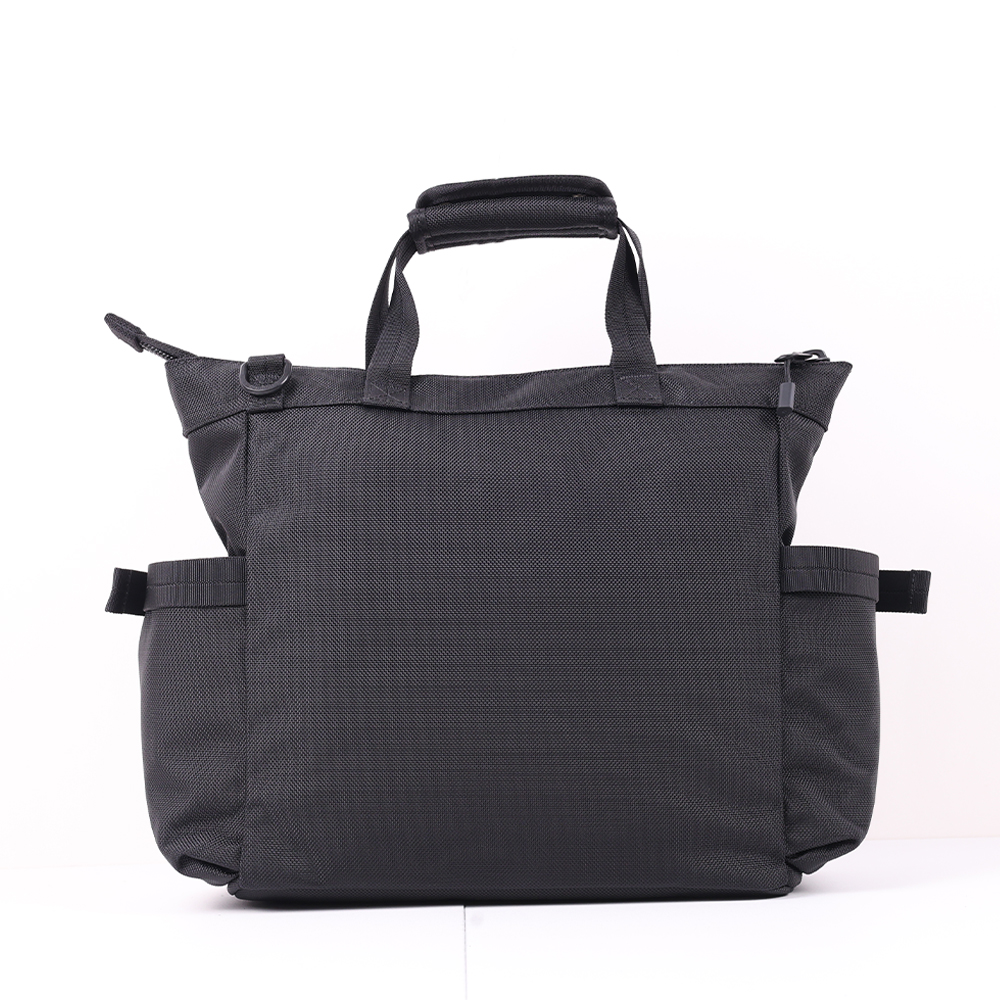
A 31.5 × 12.5 × 32 cm camera bag has to carry more than a camera body. It may hold lenses, batteries, memory cards, cables, and personal items while you move between a studio, train station, and outdoor location. At ChangRong, we match fabric strength and surface protection to those real carrying demands.
The Functional Transform Series camera bag uses a practical multi-pocket design for photography, travel, outdoor activities, and daily commuting. Its transformable format can be adjusted to different needs, so material choices should support repeated handling without making access difficult.
Begin with the equipment and movement involved
A camera bag experiences a different type of wear from a casual day bag. It may be lifted from a car seat, placed on a concrete floor, pushed under a café table, or carried along a trail. The outer fabric needs to handle this repeated contact while keeping the bag comfortable enough for a full shooting session.
The product is made with high-quality fabric described as wear-resistant and durable for long-term use. Those qualities matter when the bag brushes against door frames, luggage racks, and rough outdoor surfaces. A strong outer layer can help the bag keep its shape while the wearer moves between locations.
The load also changes during the day. A photographer may begin with a camera and one lens, then add a second lens, spare battery, or small accessory. The fabric, stitching, and pocket structure need to work together so the bag remains practical as the contents change.
Compare heavy-duty fabric with coating performance
Heavy-duty fabric and a weatherproof coating solve different problems. The fabric provides the physical base: resistance to abrasion, tearing, and repeated handling. The coating works at the surface, helping rain or splashes move away before they reach the outer layer.
A thick fabric is not automatically more protective in every situation. Excess weight can make a camera bag tiring to carry, especially when the equipment inside is already heavy. A lighter durable fabric with an appropriate surface treatment may be more comfortable for commuting and location work than an overly stiff shell.
The finish also changes the hand feel. A coating that becomes too rigid can make pockets harder to open or reduce the flexibility of a transformable design. We review the fabric, coating direction, structure, and intended load together before confirming a sample.
Place weather protection around practical openings
A weatherproof surface cannot protect a bag when every opening remains exposed. Zippers, seams, flap edges, and attachment points all influence how moisture travels. A coated outer panel can help during a light shower, but a camera bag still needs careful closure and sensible packing.
The product’s multi-pocket design provides ample storage for a camera and accessories. That organization helps separate frequently used items from smaller equipment, but each pocket still needs to be closed before the bag is exposed to rain. Memory cards and batteries can also be placed in inner pouches for an added layer of organization.
We avoid treating a coated camera bag as a sealed dry case. Heavy rain, standing water, or placing the bag on a soaked surface can exceed the protection provided by a surface finish. Photographers working in severe weather may need additional covers or dedicated protective cases for sensitive equipment.
How does a durable camera gear bag support daily shoots?
A camera gear bag should support the sequence of a real shoot. Before leaving, you may load a camera, lens, power accessories, and personal items. At the location, you need to open one compartment without exposing everything else. During the return trip, the same pockets should help keep equipment organized.
The product’s Functional Transform Series can be adjusted according to different needs. That flexibility supports daily shoots, travel, outdoor adventures, and commuting without forcing one fixed carry position for every situation. The transformable feature is most useful when it remains simple to operate with the bag partially loaded.
Its dimensions create a defined working size rather than a large equipment case. At 31.5 × 12.5 × 32 cm, it can carry planned photography essentials while remaining suitable for everyday movement. A photographer carrying several large lenses, a tripod, and extensive lighting equipment will still need a larger dedicated system.
Material durability also supports repeated access. A bag that opens and closes several times during one assignment should not feel delicate around the top edge or pocket seams. Wear-resistant fabric gives the construction a stronger starting point, while quality control checks help keep the final structure consistent.
Build a dependable specification for long-term use
The product has recorded more than 100,000 sales in Southeast Asian markets and carries a rating above 4.8 stars. Those figures provide useful context for a camera bag used across warm, active, and changing environments. They do not replace your own equipment list, but they show that the format has broad practical use.
ChangRong has more than 15 years of experience with lightweight convertible bags. Our team reviews material selection, structure, sample development, bulk production, and quality control as connected steps. For a weather-resistant camera program, the sample should be checked for fabric hand feel, coating appearance, pocket access, seam finishing, and carrying comfort.
The product’s stated customization options include color, logo, fabric, and structure. For a brand developing a Photography Gear Bag, those options can support a distinct visual range while keeping the multi-pocket, transformable function clear.
A sensible specification balances protection with handling. Select a wear-resistant outer fabric, add a surface treatment suited to the expected weather, and test every closure and seam on the approved sample. That approach gives photographers a practical bag for daily shoots, travel, and outdoor work without presenting it as a sealed case for extreme conditions.