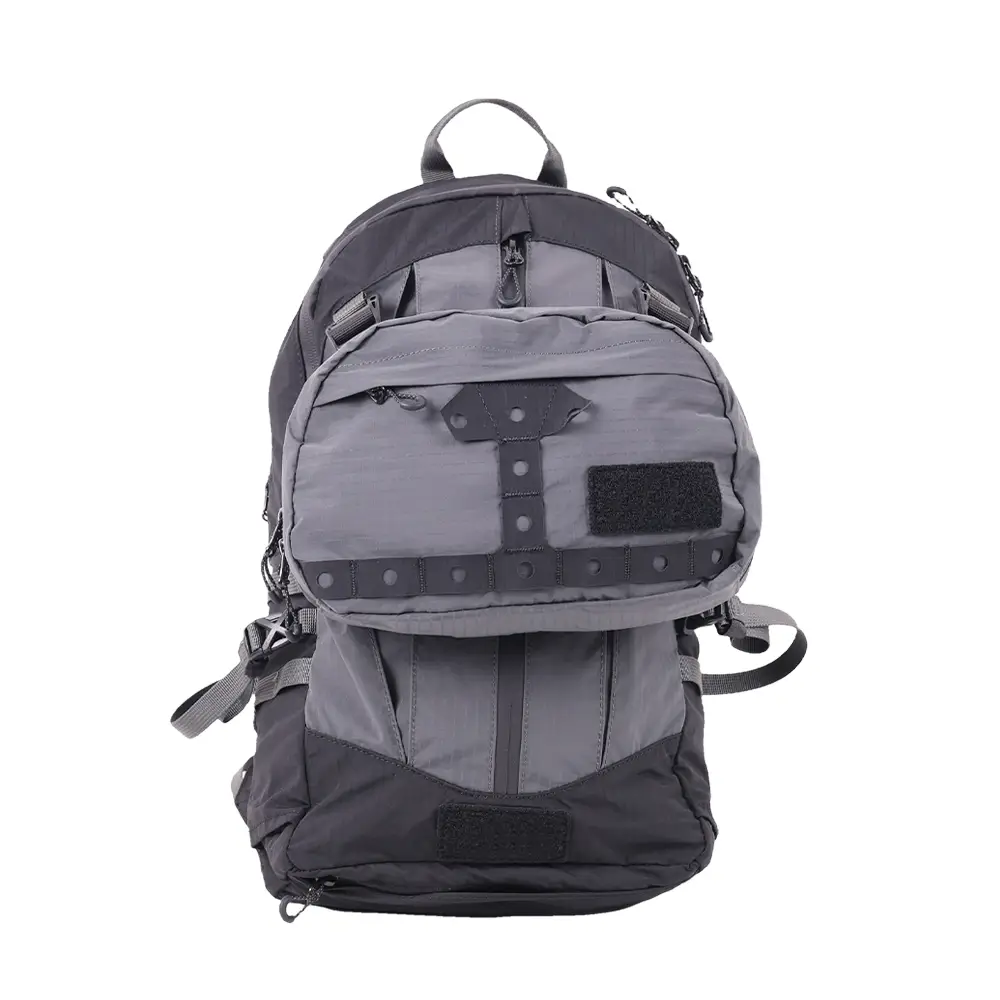
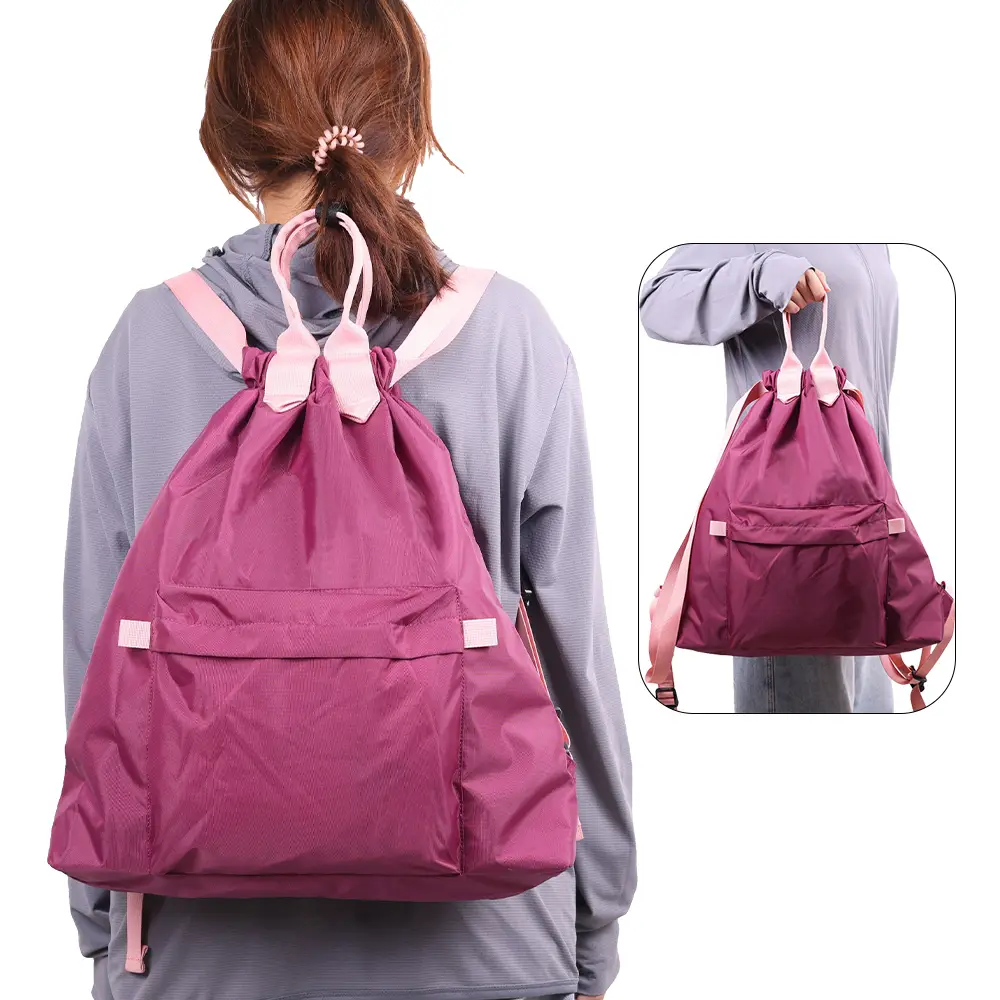
Along a riverbank, movement can alternate with short stops to reach tackle or tools. A fishing waist pack places the carrying connection at the waist, bringing bag position and equipment access into the same practical discussion. Mobility here concerns how the load accompanies changes of position and how belongings are reached between them. The belt, contact panel and openings each contribute a different part of that relationship.
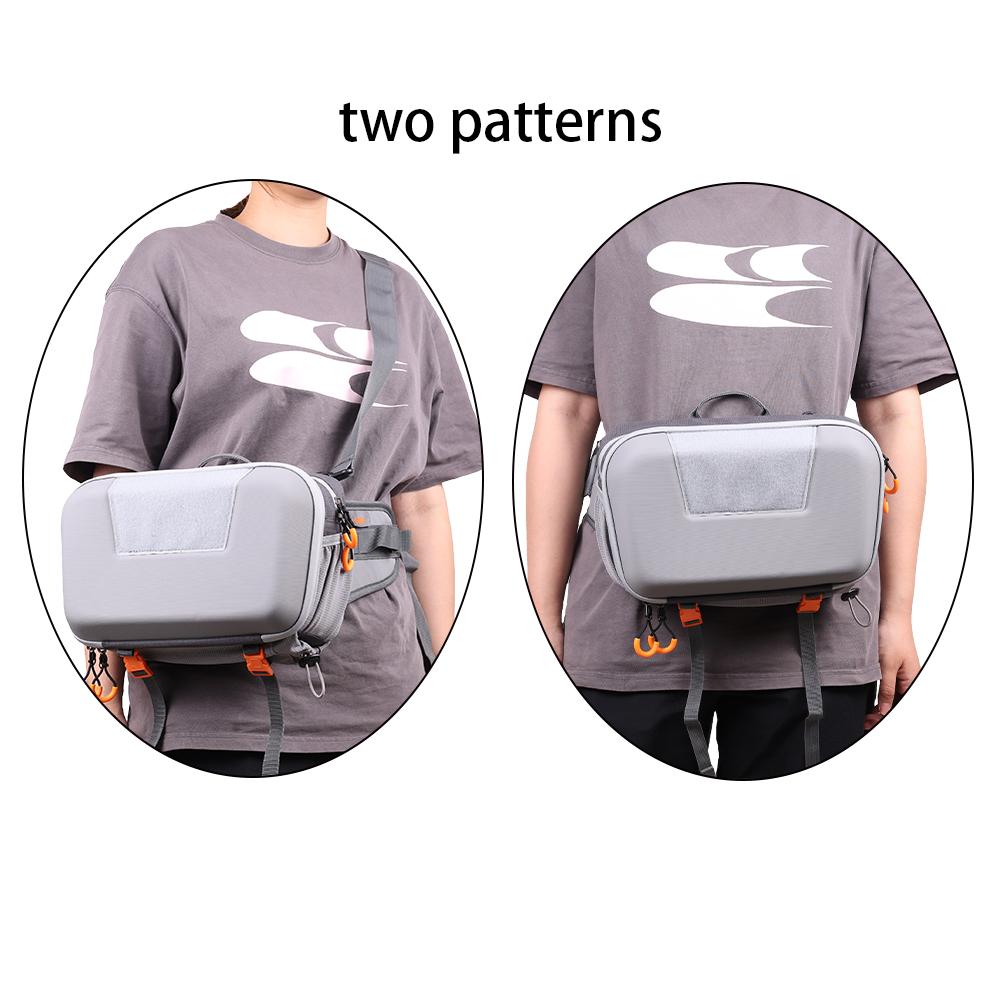
Distinguish Waist and Shoulder Carrying
Wearing a bag at the waist changes where its connection to the body is located. The belt and rear contact area become central to understanding the arrangement. A shoulder-carried design uses another connection, with its strap running to the bag from above. Comparing those structures establishes the relevant difference before storage capacity or pocket count enters the discussion.
ChangRong’s CXN1151 is our Functional Deformation Series waist pack, measuring 30.5 × 14 × 19.5 cm. Its wide waist belt and padded rear contact panel belong to the waist-worn arrangement. CXN1152 is a separate fishing utility bag with an adjustable padded shoulder strap and side attachment rings. The two model identities keep their respective connections and layouts clear.
The waist model carries fishing gear and daily essentials for outdoor fishing, casual outings and commuting. Its top grab handle gives the bag another handling point, while the belt identifies the intended waist connection. A grab handle serves during lifting, whereas the waist belt defines the worn arrangement while the angler moves between different riverside fishing positions.
Connection position also determines which parts need attention during a carrying comparison. With the waist arrangement, belt placement and the rear contact area remain relevant while the hand approaches the opening. With the shoulder arrangement, the strap and bag position provide another starting point. The same gear can be considered against both sets of structural relationships.
An improvement in practical mobility is therefore a question of fit between the carrying arrangement and the intended activity. A belt-based connection can keep the bag attached while the hands move to another task. The particular position, contents and access requirements still need consideration together, especially when the next stop involves taking out an item rather than continuing to walk.
Relate the Belt and Openings to Movement
Body contact gives the waist connection its immediate context. On CXN1151, the broad belt and padded rear panel sit alongside a front zippered opening, open-topped side pockets and lower webbing straps with buckles. These details occupy different parts of the bag. Their positions matter to the relationship between carrying the load and reaching its contents.
The fishing waist pack can be considered with the intended belongings inside and in its proposed worn position. Reaching the front opening creates a different access task from approaching a side pocket. Observing those routes gives the movement discussion something concrete to address: where the hand needs to go and where the bag sits during that action.
The open-topped side pockets and zipped front access also represent different closure arrangements. Their roles depend on the particular belongings assigned to them. A change in the load can therefore change the access requirement even when the belt position remains the same. The connection and storage layout contribute different information to the assessment rather than answering the same question twice.
At ChangRong, structural customization can begin with those specific carrying and access needs. Fabric selection and visual branding can accompany the model’s chosen structural changes. A requirement for the separate fishing utility bag starts from its own shoulder strap and lid arrangement. Keeping that distinction visible gives each proposed modification an identifiable structure to address.
Compare What the Two Models Carry
CXN1152 places its main opening beneath a zippered upper lid. Its internal divisions separate stored items, a mesh pocket lines the lid and a large mesh pocket spans the front. Measuring 31 × 14 × 18.5 cm, it organizes tackle, tools and personal belongings for lake and river outings, including freshwater and saltwater fishing trips.
The fishing utility bag therefore offers a different combination of carrying connection and storage access from CXN1151. The comparison can focus on the intended gear and the occasions when it needs to be reached. One arrangement brings a shoulder strap and upper lid into that task; the other brings a waist belt, front zipper and side pockets.
For the fishing waist pack, the relevant choice remains the relationship between the body and the intended load. More storage locations would not by themselves describe that relationship. A person moving between fishing positions may have different retrieval priorities from someone staying at one location, so the proposed arrangement needs to be read against the actual outing.
The gear gives the two carrying proposals a common reference for comparison. A useful project discussion can specify the gear, identify its proposed locations and name the opening used for each retrieval. That gives a carrying comparison a practical basis while leaving each model’s existing configuration intact. The selected modifications can then respond to the stated carrying task.
ChangRong’s structural customization gives us a way to discuss where the intended gear sits and how it is reached. Before departure, the waist connection and the routinely used opening can be checked with the proposed contents in the worn arrangement.