A phone, power bank, and keys sit in the same pocket as a dusty trail map. One short shower can decide whether the fabric choice was sensible. At ChangRong, we match water-resistant materials to the way a compact bag is actually carried, from a mountain path to a weekday train.
For this kind of bag, “water-resistant” should describe a useful level of protection, not a promise of submersion. We look at surface behavior, tear resistance, construction, and carry comfort together so the material supports the trip without making the pack bulky or stiff.
Start with the moisture your route actually creates
A morning hike can bring dew on grass, a bottle that sweats in its side pocket, and a few drops from a passing shower. A city commute may add drizzle and dust from a bicycle rack. Those conditions call for fabric that sheds light splashes and keeps grit from working into the bag, rather than a sealed dry bag built for immersion.
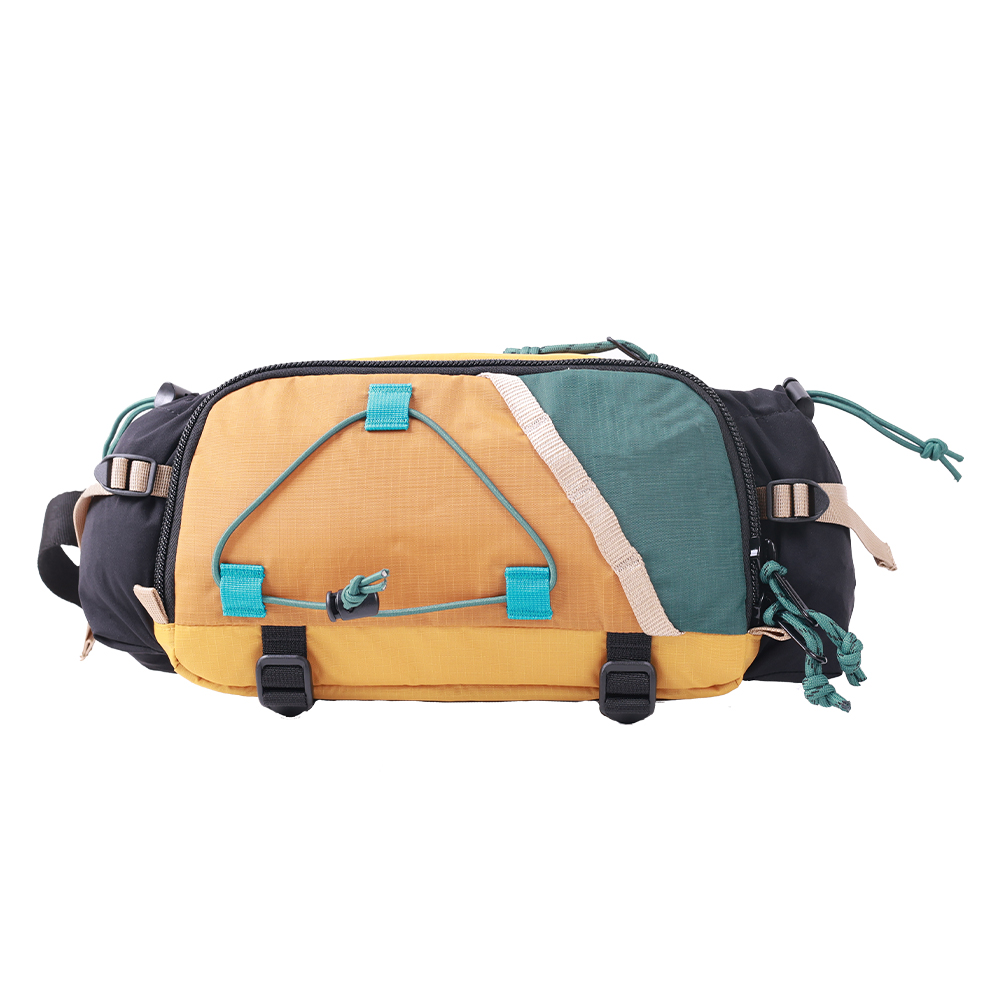
The product uses tough, tear-resistant, water-repellent fabric and is described as protecting belongings from light splashes and dust. That scope fits a day carrying a smartphone, wallet, snacks, keys, and a small water bottle. It also gives you a clear boundary: prolonged heavy rain still calls for a separate waterproof cover or protected pouch for sensitive electronics.
Match the surface finish to a 4L working size
The pack measures 27.5 × 10 × 17 cm and holds 4L. In that space, every layer affects how easily you reach a phone or power bank. A finish that makes fabric overly rigid can reduce usable room, while a loose surface may pick up mud at the hip. We check whether the material flexes around daily contents and still returns to shape after a full afternoon outdoors.
For a compact convertible design, water resistance also depends on the details around zippers, seams, and attachment points. A water-repellent face helps droplets bead and move away, but openings remain practical entry points for moisture. Keep a map in an inner sleeve, close the main compartment before a shower, and place charging cables where they will not press against a wet exterior.
Connect fabric, straps, and convertible carry positions
Material selection cannot be separated from the way the bag moves. This model converts between a waist pack, fanny pack, and crossbody bag. Adjustable straps accommodate different body sizes and help the load stay stable when you step over rocks, board a bus, or walk through a market.
A fabric that feels comfortable against clothing may behave differently when cinched at the waist. We check the contact areas for friction, the strap anchors for clean reinforcement, and the body panel for enough flexibility to sit close without collapsing. Tear resistance matters here because a snagged strap or branch can pull on the outer panel.
The 4L capacity suits a light day load, not a multi-day hiking kit. A jacket, large camera, and several heavy bottles can crowd the compartment and change how the pack rides. Keeping the contents within its compact purpose lets the fabric, zippers, and straps work as intended.
Can an outdoor hip pack handle a passing shower on the trail?
A brief passing shower or a splash from a trail-side fountain is within the protection an outdoor hip pack provides, provided the compartments are zipped closed and the pack is worn as designed. Its water-repellent fabric helps shield everyday belongings while you keep moving. It is not, however, a substitute for a sealed dry bag during hours of heavy rain, river crossings, or when gear has to be stored inside a wet tent.
We recommend a simple field check before a trip. Place tissues in the empty bag, close the zippers, and wipe or lightly sprinkle the exterior. Inspect the tissues and the inside seams afterward. This does not create a laboratory rating, but it shows how your chosen finish behaves with the moisture you expect on a normal outing.
The product’s practical record also gives context. More than 100,000 units have been sold in Southeast Asian markets, with a rating above 4.8 stars. Those figures do not replace your own use case, yet they show that the compact format has been carried in warm, dusty, and changeable outdoor conditions.
Turn a fabric decision into an easier daily carry
Think about the full day, not only the first raindrop. On a mountain trip, place snacks and a small bottle where they are easy to reach, keep electronics away from the outer wall, and adjust the strap before the trail starts. On a commute, the same 27.5 × 10 × 17 cm footprint can sit close to your body without taking a seat beside you.
That compact profile also leaves your hands free for a rail, trekking pole, or coffee cup. A quick strap adjustment before setting out keeps the load from swinging when you change from waist carry to crossbody position.
ChangRong has more than 15 years of experience with lightweight convertible bags. Our team checks material selection alongside structure, strap adjustment, and quality control so the water-resistant finish supports real movement. The pack is a light day-carry option, not a replacement for a technical expedition bag or sealed electronics case.
If you are comparing a waist pack for hiking, focus on the moisture level you face, the space you really carry, and the way the bag changes position on your body. Custom colors, logos, fabrics, and structures can be discussed once those practical choices are clear.