Two extra handoffs can change an OEM backpack schedule. A design comment passes from a brand to a trading desk, then to a factory; a material question follows the same route. Direct sourcing shortens that chain. At ChangRong, our team connects design consultation, material selection, sampling, production, and quality control in one OEM/ODM process.
For a buyer, the benefit is not a vague promise of a lower quote. It is clearer coordination around the same product brief. We work with brands, cross-border e-commerce sellers, and bulk wholesalers, turning an approved concept into a production plan that can be reviewed at each stage.
Keep design decisions close to the production team
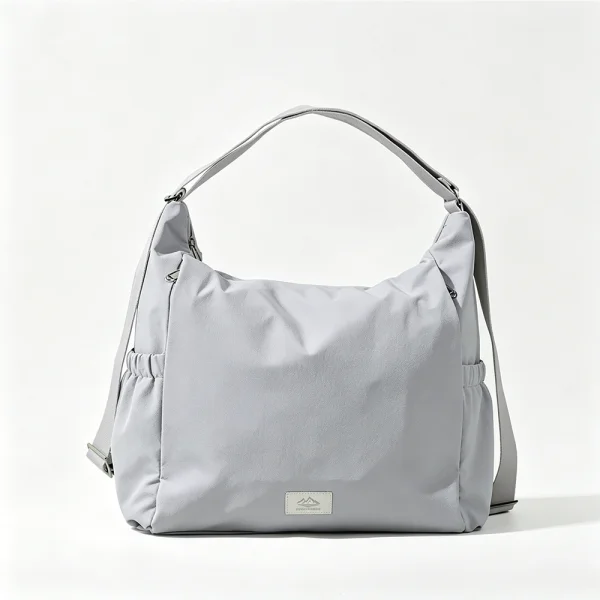
An OEM backpack often changes during development. A pocket needs more room for a charger. A strap position feels different when the bag is worn over a jacket. A fabric looks right in a swatch but changes the structure of the sample. When the design and production teams communicate directly, these details can be discussed with the people who will make the adjustment.
Our service begins with design consultation. The buying team can explain the target user, carry scene, reference style, preferred materials, closure, logo placement, and retail setting. We can then connect each request to the bag’s construction instead of passing an incomplete message through several companies.
This does not remove the need for buyer approval. It gives your team a more direct route to the information needed for a decision. A marked drawing, revised specification, or sample comment can be checked against the same production understanding before the next step.
Reduce delays by combining material and sample reviews
Material selection and sample development affect one another. A fabric with a firmer hand may change how a backpack stands. A coated surface may alter the way a pocket folds. A lighter lining may change the feel of the opening. Reviewing these points together helps a buyer avoid approving a material in isolation.
ChangRong’s OEM/ODM service covers material selection and sample development before mass production. The process gives your team a physical reference for fabric, structure, strap placement, and storage layout. You can handle the sample as the customer will: load it for a commute, open it at a desk, or pack it for a short trip.
Direct factory communication also makes revision discussions more specific. Instead of saying that a sample feels wrong, the buyer can identify the panel, stitch line, handle, or closure that needs attention. That precision can reduce repeated rounds and keep the development calendar easier to manage.
How does direct factory sourcing affect total project cost?
The answer involves more than the unit price. Each additional handoff can add time to design clarification, sample revision, material confirmation, and quality questions. A direct relationship places those conversations with the team responsible for the work, which can reduce duplicated explanations and avoid changes based on outdated information.
Our service combines design consultation, material selection, sample development, mass production, and strict quality control. That one-stop structure helps the buyer review the full project path instead of comparing separate services that may not share the same specifications.
The cost benefit also comes from decisions made earlier. If the buyer confirms the intended fabric, pocket layout, and logo treatment before production, the factory can plan materials and operations around an approved direction. This does not make every project inexpensive; it makes avoidable rework easier to identify before it consumes time and materials.
Use factory capacity and certifications as practical checkpoints
Direct sourcing works best when the factory can support both development and repeat production. Ask how many facilities are involved, where your specifications are held, and how updates move from the development team to the sewing floor. These questions show whether the direct relationship has a working structure behind it.
We have more than 15 years of industry experience and operate two factories. Our service information also names ISO, BSCI, SEDEX, and GRS among our international certifications. For a buyer, these facts are starting points for checking documentation, production arrangements, and the quality practices connected to a specific order.
At backpack factory China, direct communication can also make planning more visible. Your team can ask how material availability, sample changes, and inspection points are handled before approving a production schedule. Clear answers help separate a workable factory process from a simple sales promise.
Build a repeat-order path instead of a one-time transaction
The first order is only one part of an OEM program. A brand may adjust colors for a new season, add a logo treatment, or adapt the structure for another customer group. A direct factory relationship keeps the approved sample and production knowledge close to the people making the next version.
We provide OEM, ODM, and private-label support for brands, cross-border e-commerce sellers, and bulk wholesalers. The same process used for an initial backpack can guide a later color update, material change, or structure revision. Your team can compare the new request with the approved product rather than rebuilding the brief from the beginning.
Our production base is suited to buyers who want a clear path from concept to repeat order. For a Chinese backpack manufacturer, the useful test is whether the factory can explain its design, material, sampling, production, and quality steps in plain terms. Direct sourcing saves time and cost when those steps stay connected and each decision is recorded.