Drone and gimbal operators carry a different kind of photography kit from the traditional camera-only user. A working load can include a camera body, lenses, a stabilizer, controller, batteries, cables, memory cards, and support accessories. The bag must therefore hold more equipment without becoming another heavy item the operator has to manage.
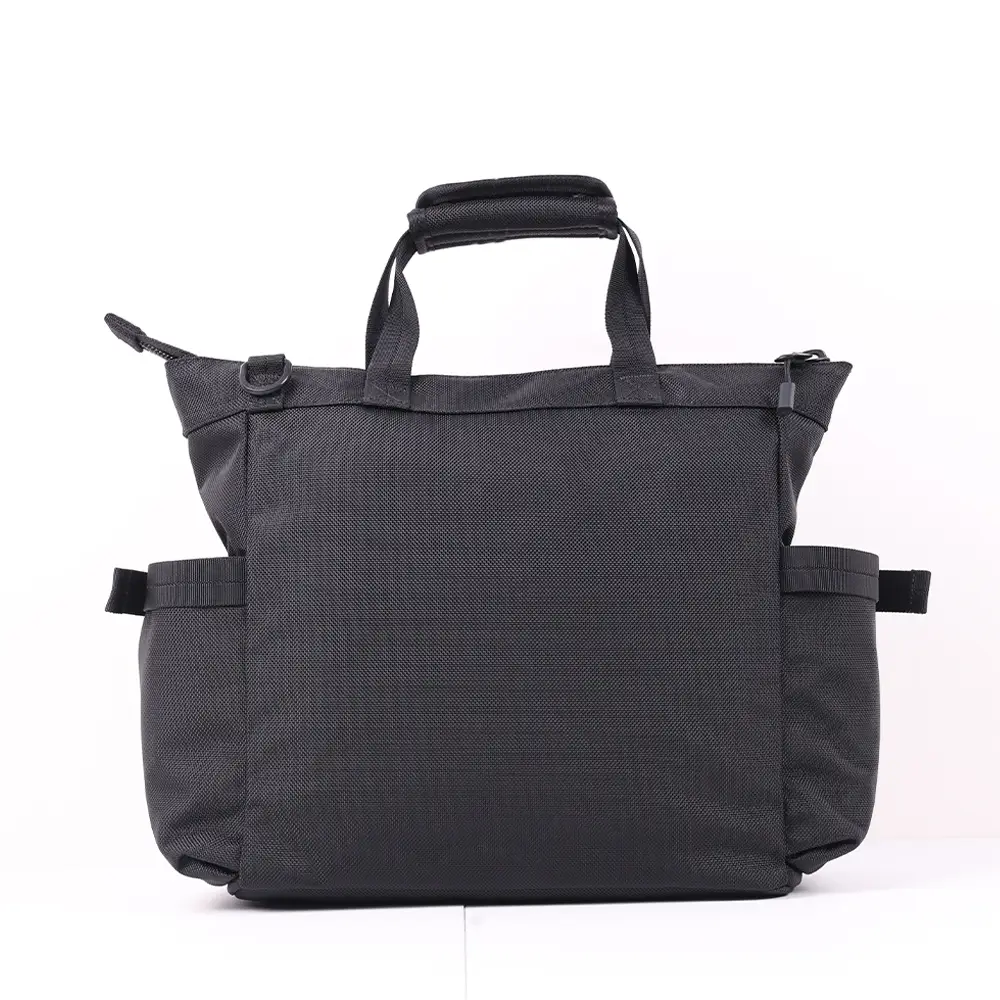
That pressure has changed the design direction of the Photography Gear Bag. Instead of building every component for maximum rigidity, manufacturers increasingly have to decide where weight is necessary and where flexible construction can do the job.
Why Drone and Gimbal Kits Changed the Bag Equation
A drone or gimbal does not simply add another piece of equipment. It adds a different shape, different handling requirements, and additional accessories that need organized storage.
A gimbal, for example, has projecting components and moving parts that should not be crushed by neighboring equipment. Drone kits can also include controllers and batteries that require their own protected spaces. Current drone-bag guidance emphasizes adjustable dividers, reinforced closures, weather-resistant construction, and multiple access points because the carrying problem is no longer just about fitting a camera.
The result is a design conflict: more organization normally means more components, while more components can increase empty-bag weight.
Weight Started Moving From the Shell to the Structure
Older protective thinking often favors thick outer materials and substantial construction throughout the bag. That approach can work for maximum protection, but a mobile operator may spend hours carrying the empty structure between shooting locations.
Modern lightweight design instead asks where rigidity actually contributes value. The shell can remain relatively flexible while selected areas receive reinforcement, padding, or structural support.
Material choice becomes especially important here. Nylon and polyester are both common in camera and gimbal bags, while their actual performance varies according to yarn, weave, denier, coating, and construction. A lighter specification can reduce mass, but it may need reinforcement in areas exposed to concentrated loads.
Light Fabric Alone Does Not Make a Light Gear Bag
A thin outer fabric does not automatically create a lightweight finished product. Foam, dividers, boards, webbing, hardware, zippers, lining, handles, and reinforcement can collectively outweigh the shell.
That makes component reduction more useful than simply choosing the thinnest textile available. A designer might remove unnecessary structural layers while retaining protection around the camera and stabilizer.
The approach can be seen in current compact gimbal bags. One commercially available gimbal bag uses nylon and polyester construction, padded internal sections, and a shoulder-carry system while weighing 200 grams. The significance is not the number itself; it shows how lightweight carrying can come from combining material and structural choices.
Protection Had to Become More Selective
Drone and gimbal users do not necessarily need every square centimeter of a bag to have the same padding. Equipment has different vulnerability levels, so protection can be concentrated around the parts most likely to experience pressure, collision, or movement.
Padded dividers are useful because they separate equipment without turning the entire bag into a heavily reinforced box. A recent camera-and-drone backpack, for example, uses adjustable padded dividers alongside a lightweight foam body and a compression-molded bottom.
That principle changes how we approach a camera gear bag. Instead of asking how much padding can be added, we ask where padding produces the most useful protection and where the surrounding textile can remain lighter.
Modular Storage Replaced One Fixed Interior
Equipment changes from shoot to shoot. A drone pilot may carry a compact kit one day and add a gimbal, extra lenses, or a tripod the next.
Fixed compartments make that variation difficult. Adjustable dividers allow the internal volume to follow the equipment instead of forcing every user into one predetermined layout.
Our photography bag illustrates this direction through its multi-pocket and transformable construction. The product is positioned for photography, travel, outdoor activities, and daily use, with customization available for fabric and structure.
For a Photography Gear Bag, adaptability can therefore contribute to lightweight performance indirectly: users do not need to carry a larger bag simply because its interior cannot be reorganized.
The New Material Choice Is About Carrying Efficiency
Choosing a lightweight material should never become a race toward the lowest possible fabric weight. A camera bag still needs to tolerate handling, equipment pressure, abrasion, and repeated opening and closing.
A useful comparison considers the complete system. One current lightweight camera-bag example uses thin ripstop nylon with a water-resistant coating while retaining a dedicated protective insert. This demonstrates an important design principle: the shell does not have to provide every protective function when internal structures can handle specific risks.
For a camera gear bag, the better material is therefore the one that achieves the required durability and protection without adding structural mass that the user never benefits from.
How Lightweight Design Concepts Can Be Applied to Production Bags
Instead of starting with a trendy fabric choice, we at ChangRong start by mapping the equipment. The large sections, the ones that are sensitive to movement, the ones that are easy to reach, and the spots where pressure or weight will build up are all located.
We next find out which layers may be simplified and which ones actually require reinforcement. Fabrics that appear light on a specification sheet may really want more backing or reinforcement after they are sewn; therefore it is crucial to create prototypes thoroughly.
Make Weight Reduction a Structural Decision
Lightweightness isn’t our target for any of our Photography Gear Bags. Its purpose is to lighten the load without sacrificing the features that are essential to drone and gimbal operators.
That distinction defines the evolution of the category. Lightweight photography equipment has created demand for bags that are lighter in construction but more deliberate in where they spend material. For ChangRong, successful development means combining adaptable organization, selective protection, and appropriately specified fabrics rather than treating low weight as the only objective.