A camera bag can have a strong outer shell and generous padding yet still create unnecessary surface contact with the equipment inside. Cameras and lenses are repeatedly inserted, removed, repositioned, and separated by internal dividers. Every one of those movements makes the interior surface part of the protection system.
That is why we consider lining selection a functional design decision rather than an aesthetic finishing detail. A soft, scratch-resistant surface can reduce the risk of abrasive contact while also giving a private-label product a more refined interior experience.
The Interior Is Where Contact Becomes the Risk
The outside of a camera bag deals with the environment, while the lining sits directly beside the equipment. Its job is therefore different. Instead of resisting rain or abrasion from outside, the interior material needs to provide a gentle contact surface around cameras, lenses, and accessories.
Photography equipment may move against the lining when a user takes a camera out quickly or carries a partially filled compartment. Dividers can also introduce repeated contact around lens barrels and camera bodies. Commercial camera bags commonly use soft interior materials specifically to reduce scratching; one professional bag, for example, specifies a soft tricot interior for this purpose.
Velvet is attractive for this role because its surface is soft and textile-based rather than hard and exposed. The goal is not to claim that the fabric alone protects equipment from every type of damage. Instead, it provides a gentler interface between the stored item and the bag.
Why a Soft Surface Matters During Repeated Handling
Scratch prevention becomes particularly relevant during everyday access. A photographer may open the bag dozens of times during a shoot, moving equipment between compartments rather than leaving everything stationary.
Hard interior surfaces can create unwanted friction when equipment slides or is placed against them. A soft textile lining creates a more forgiving contact layer. Other camera products similarly use microfiber or soft fabrics specifically to guard surfaces against scuffing and scratches.
We would therefore judge a lining by how it behaves during actual handling, not simply by how plush it looks in a product photograph. The surface needs to remain compatible with the equipment, seams should not create unnecessary contact points, and loose construction should not compromise the compartment layout.
For a camera shoulder bag, this becomes even more relevant because the contents can shift as the user walks. Internal organization needs to control movement while the lining provides a softer surface where contact still occurs.
Velvet Works as Part of a Layered Interior
Velvet should not be viewed as a substitute for padding, dividers, or structural reinforcement. Each component addresses a different problem.
A protective interior may combine a soft lining with foam, padded dividers, or a more structured insert. Commercial camera-bag designs demonstrate this layered approach: some use plush or velvet-like linings together with cushioning materials or independent dividers.
We use the same principle when evaluating a private-label design. The lining handles the immediate contact surface; padding helps manage impact; dividers keep equipment separated; and the outer construction provides additional environmental and structural protection.
This distinction matters because a soft lining alone does not make a bag impact-resistant. It solves a narrower but important problem: reducing undesirable contact between stored equipment and the interior textile.
Lining Selection Changes the Private-Label Specification
Choosing velvet is only the beginning of the specification. A private-label buyer should define where the lining will be used, how it interfaces with dividers, what color is required, and whether the same material should continue through pockets or accessory compartments.
Color can also have a practical role. Some commercial camera bags use lighter interior materials to make small accessories easier to locate inside the compartment.
Our development process would also examine how the lining is sewn into the bag. An attractive textile loses some of its value if exposed seams, rough edges, or poorly positioned attachments become new contact points.
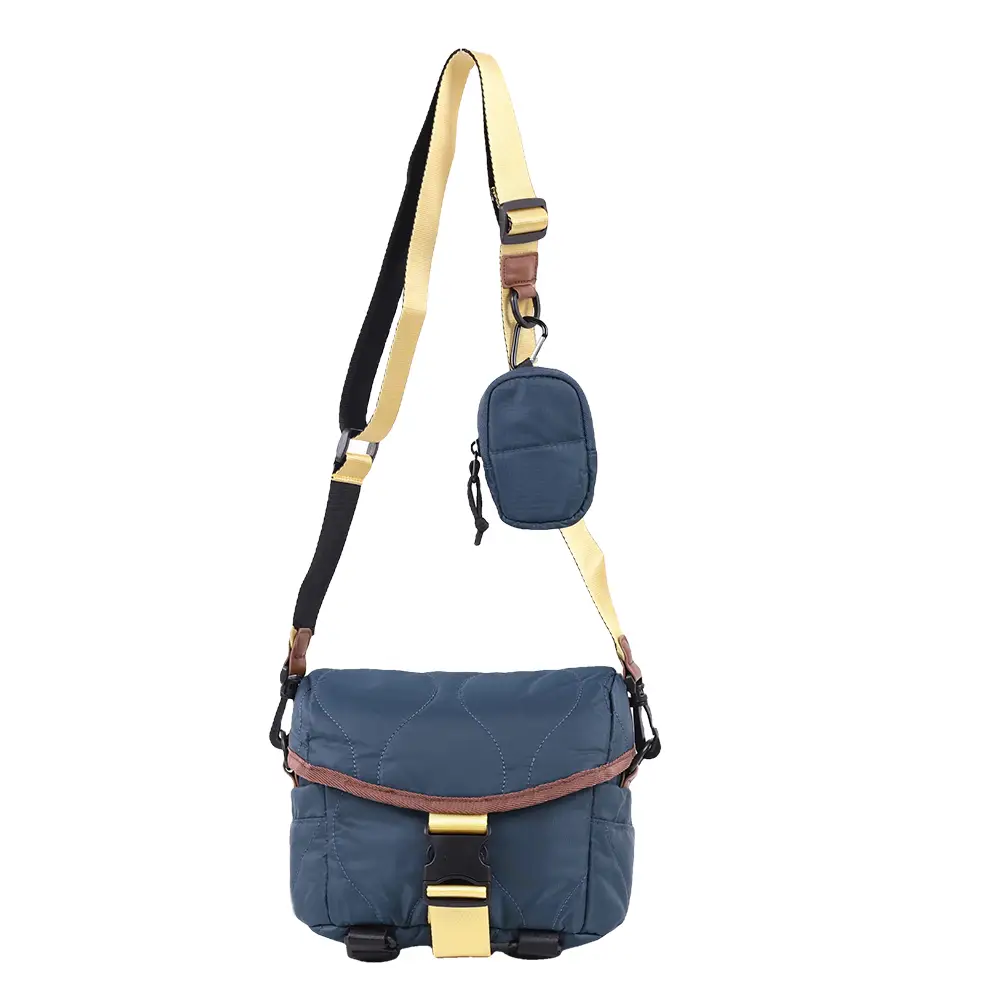
For ChangRong, private-label development means treating the lining as part of the approved construction rather than adding it at the end. The camera bag is designed for photography and daily use, with an interior layout that supports both equipment carrying and everyday organization.
A Camera Bag Should Protect Without Slowing Access
Protection has to coexist with usability. A lining that is soft but paired with an awkward compartment arrangement does not create a successful camera product.
Internal dividers should separate equipment while allowing the user to reach the intended item without repeatedly dragging it across neighboring surfaces. Removable or adjustable divider systems are commonly used in camera bags to accommodate different equipment combinations.
We therefore consider the lining together with opening size, divider placement, pocket geometry, and access direction. The objective is simple: equipment should move into and out of its compartment smoothly, with minimal unnecessary contact.
For a camera shoulder bag, this balance becomes part of the product identity. Photographers expect quick access, while the interior still needs to feel controlled and protective.
Scratch Resistance Starts With the Interior Architecture
Velvet lining is useful because it addresses the point where equipment physically meets the bag. Its value comes from creating a softer contact surface, not from acting as the entire protective system. A well-designed private-label camera bag combines that surface with appropriate padding, separation, and compartment geometry. Material choice should follow the equipment and handling scenario rather than being selected simply because velvet looks luxurious.
Connecting the internal material with the overall bag structure is how ChangRong handles this sort of development. Instead of just a soft liner, what you get is an architectural plan for the inside that minimises touch while allowing easy access to all the required equipment. Designing a private-label camera bag allows businesses to preserve that identity. Along with the structural and organisational characteristics that keep photographic equipment appropriately segregated, scratch-resistant lining works best when specified as one coordinated layer inside the protective system.